Last updated October 31, 2026
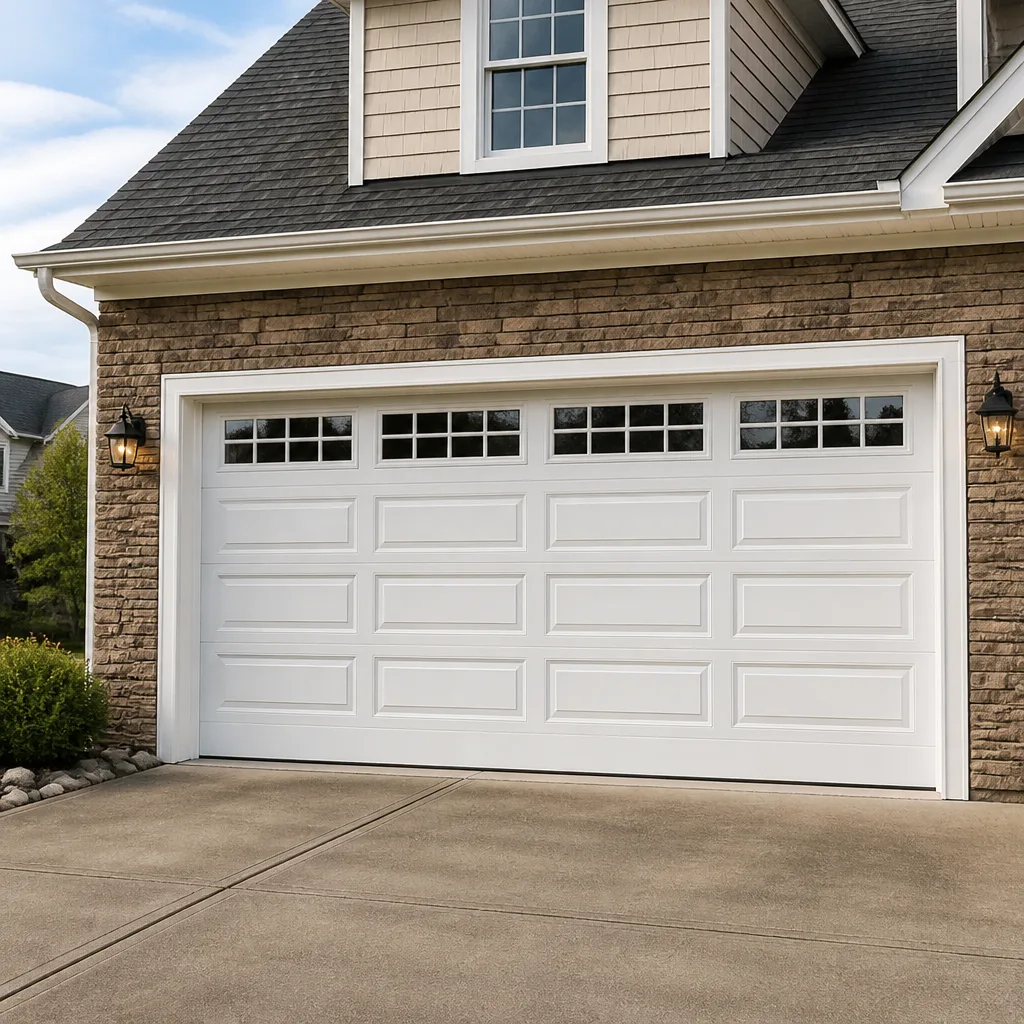 Raised-panel steel
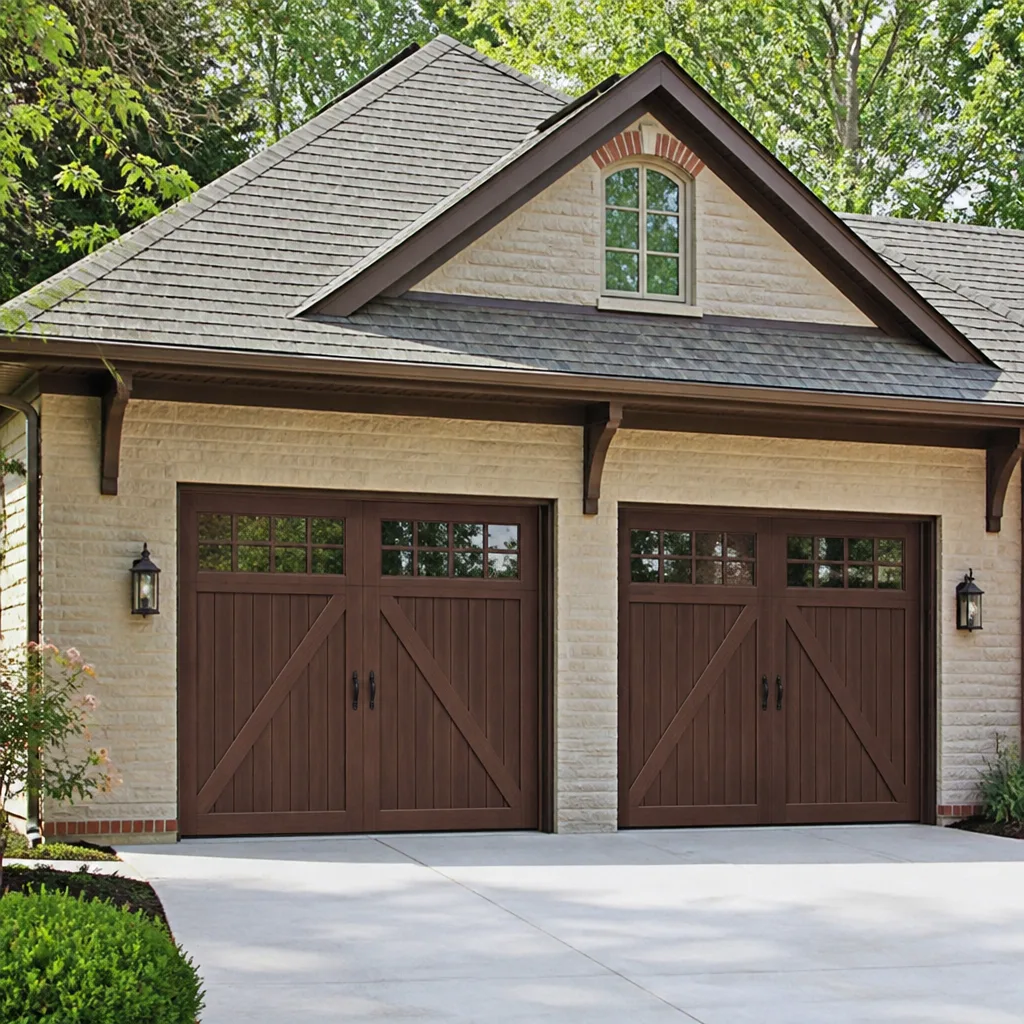 Carriage house
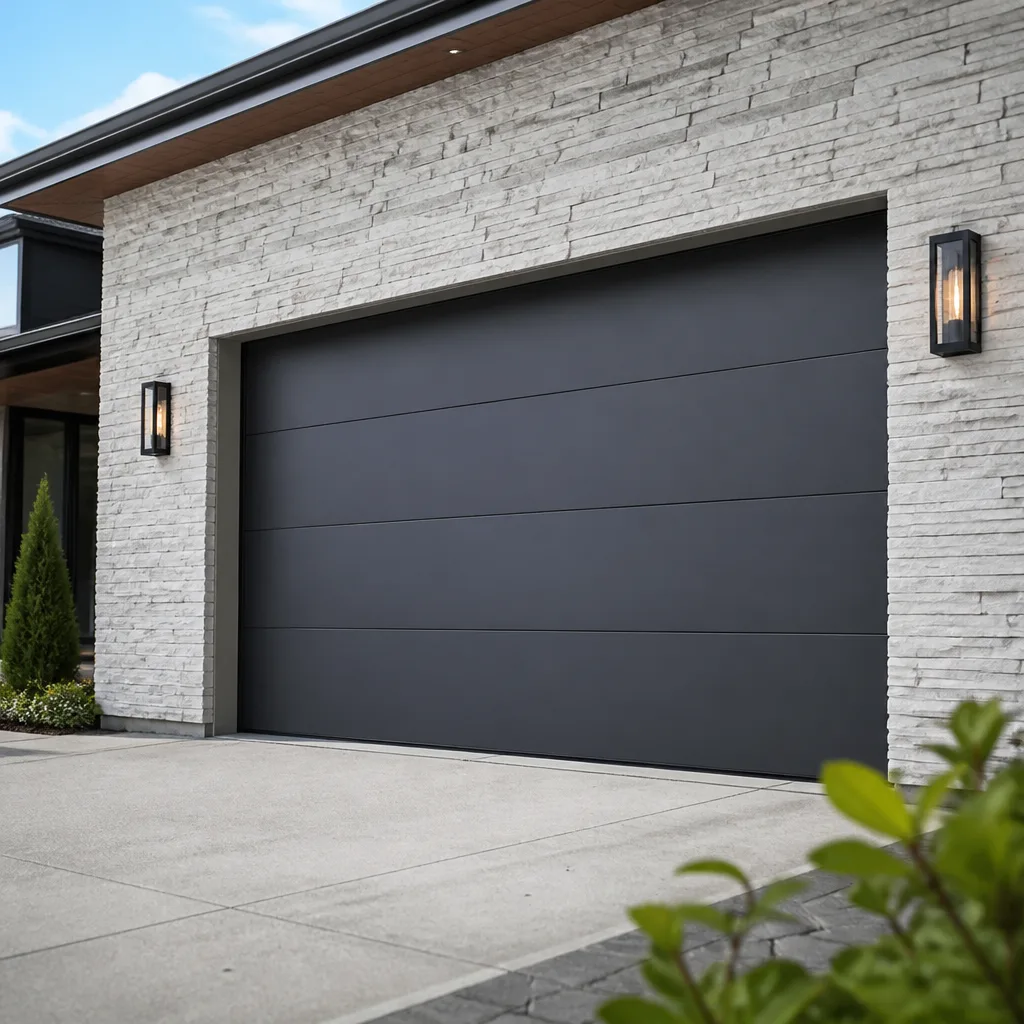 Modern flush
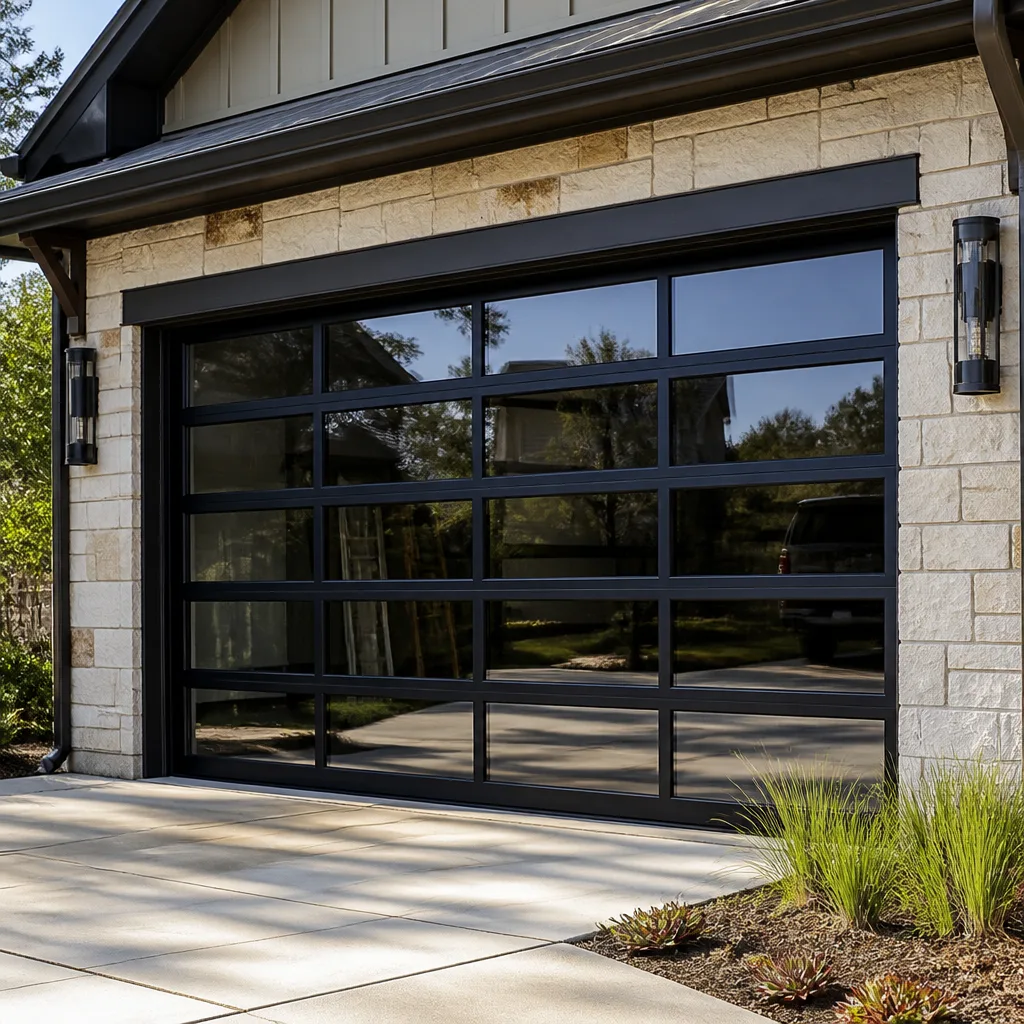 Full-view glass
 LiftMaster openers
 Chamberlain openers
Full 25-point door and opener safety check with every visit - springs, cables, rollers, tracks, and your LiftMaster or Chamberlain opener included
You get a price before we start. It does not change when the truck arrives.
Get your free estimateGarage Door Repair Maintenance Checklist for Long Beach Homeowners
The number-one cause of premature garage door failure in coastal Southern California isn’t age or use. It’s the wrong lubricant applied to the wrong components by a homeowner following advice written for dry climates like Phoenix or Las Vegas. In Long Beach, the marine layer deposits a fine film of salt and moisture on your door’s hardware roughly 300 mornings a year, and what works for a garage in Riverside will actively shorten the life of your springs, rollers, and hinges here. This guide is built for Long Beach specifically: which parts fail first in our salt air, what to put on them, what to never put on them, and exactly when the window for preventive action closes before a $38 roller replacement becomes a $425 track-and-panel repair. We’re going to give you the full checklist, organized by component, season, and symptom.
Styles & brands we work with
Quick Answer
A proper garage door maintenance checklist for Long Beach homeowners comes down to five things: clean and lubricate rollers and hinges every six months with a lithium-based or silicone spray (never WD-40), inspect torsion springs and cables visually every month for rust or fraying caused by salt air, test the auto-reverse safety feature and balance every three months, clear the photo-eye sensors and track debris monthly, and call a professional for Garage Door Repair the moment you hear grinding, popping, or see frayed cables, because in Long Beach’s marine-layer climate, a rusted component goes from salvageable to replacement-worthy fast. Most doors need two maintenance sessions per year, but homes within two miles of the water typically need three because of accelerated salt-air corrosion.
Table of Contents
- The Long Beach Factor: Why Salt Air Changes Maintenance Frequency
- The Month-by-Month Maintenance Calendar for Long Beach
- Lubrication by Component: What to Use, What to Never Use, and Why
- The Visual Inspection Checklist: Parts That Fail First in Salt Air
- Auditory Cues: When Noise Means Maintenance vs. When It Means Failure
- Opener Maintenance: The Steps Most Homeowners Skip
- Safety Feature Testing: Your Quarterly Non-Negotiable
- Common Mistakes to Avoid
- When to Call a Professional
- Frequently Asked Questions
- The Bottom Line
The Long Beach Factor: Why Salt Air Changes Maintenance Frequency
Long Beach sits directly on the Pacific, and our prevailing onshore winds push a marine layer inland almost every night and most winter mornings. That air isn’t just fog. It carries microscopic salt particles and enough moisture to condense on metal surfaces that stay cool overnight, like your garage door’s torsion springs, cables, hinges, and rollers. The result is a corrosion environment closer to what a boat trailer sees than what a garage door in, say, Bellflower or Lakewood experiences, even though those cities are only a few miles inland.
What does that mean for maintenance? Three things. First, frequency: a door within two miles of the coast line from the Port of Long Beach up through Belmont Shore, Naples, and the Peninsula needs lubrication and rust inspection three times a year instead of the standard two, because the salt film builds faster than most homeowners expect. Second, product selection: the wrong lubricant traps salt particles against moving metal and becomes a grinding paste. Third, early warning signs: components start announcing their decline visually and audibly months before failure, and a homeowner who recognizes those signs in Long Beach’s climate can save hundreds of dollars by acting in the maintenance phase rather than the repair phase. See our guide to Garage Door Warning Signs: A Long Beach Homeowner’s Reference Guide for what to watch for.
We’ve worked on doors throughout the city, from the Alamitos Beach condos with exposed alley-facing tracks to the newer builds up by El Dorado Park and the older wooden doors in Bixby Knolls and California Heights. The patterns are consistent: salt-air corrosion is the single most common preventable cause of spring failure and cable snap in coastal Long Beach zip codes, and it’s almost always addressed too late because the homeowner followed a generic checklist that didn’t account for it.
The Month-by-Month Maintenance Calendar for Long Beach
Long Beach doesn’t have dramatic seasonal shifts like the East Coast or Midwest, but our weather does have a rhythm, and your garage door maintenance should follow it. Here’s the month-by-month breakdown, tied to actual local conditions rather than generic quarterly advice. If you do nothing else, follow this calendar.
January to March: Rainy Season Inspection
This is when Long Beach gets most of its annual rainfall, and it arrives on top of our already humid winter air. Door hardware gets wet and stays wet, especially on west-facing garages in neighborhoods like Los Altos or Plaza where afternoon sun is weaker and morning fog lingers. During these months, focus on:
- Rust inspection on springs and cables: Look for orange-brown surface rust on torsion springs and any darkening or pitting on cables. Surface rust on a spring is a warning, not a failure, but it’s a warning you should act on this month.
- Track debris clearing: Rain washes leaves, dirt, and grit into the lower track bends. Clear them out with a dry cloth, not a hose, because adding more moisture is counterproductive in humid months.
- Weatherstrip check: The rubber strip along the bottom of the door takes a beating in rain. Look for cracks or tears that let water pool inside the garage and accelerate rust on everything nearby.
April to June: Post-Rain Lubrication Window
Once the rain tapers off and before the summer heat settles in, this is the right time for your first major lubrication of the year. April and May in Long Beach have moderate temperatures and lower morning fog frequency than winter, which gives lubricant time to settle without being washed away or diluted. Hinges, rollers, springs, and the opener rail all get attention now. This is also a good moment for a full balance test and auto-reverse safety check, both of which we detail below.
July to September: Heat and Expansion Check
Long Beach summers are mild by Southern California standards, but inland-adjacent neighborhoods like East Long Beach and the Traffic Circle area can still see stretches in the 90s. Metal expands in heat, and doors that were properly tensioned in cooler weather can feel slightly different in hot stretches. Listen for new creaks or stiffness. This is also the season when we see the most snapped cables in older coastal doors, because the cable has been quietly corroding for years and heat expansion is the final straw. A visual look now can catch it before it’s a problem.
October to December: Pre-Winter Salt Film Removal
Fog season returns in earnest, especially in October and November when Long Beach sees its densest morning marine layers. This is the second major service window of the year. Wipe down springs, cables, and hinges with a dry cloth to remove accumulated salt film, then reapply lubricant. Test the door’s balance again, because temperature swings between warm days and cool nights can alter how smoothly the door travels. If your door hasn’t had a professional inspection in two years or more, late October is the ideal month to schedule one in Long Beach, before any holiday travel and before the rainy season starts in earnest.
Lubrication by Component: What to Use, What to Never Use, and Why
This is the section where generic advice fails Long Beach homeowners most often. “Lubricate moving parts” sounds simple until you learn that the wrong product on springs makes them brittle, on tracks makes them gritty and dangerous, and on rollers voids the bearing and accelerates failure. Here’s the component-by-component breakdown.
Torsion Springs: White Lithium Grease Only
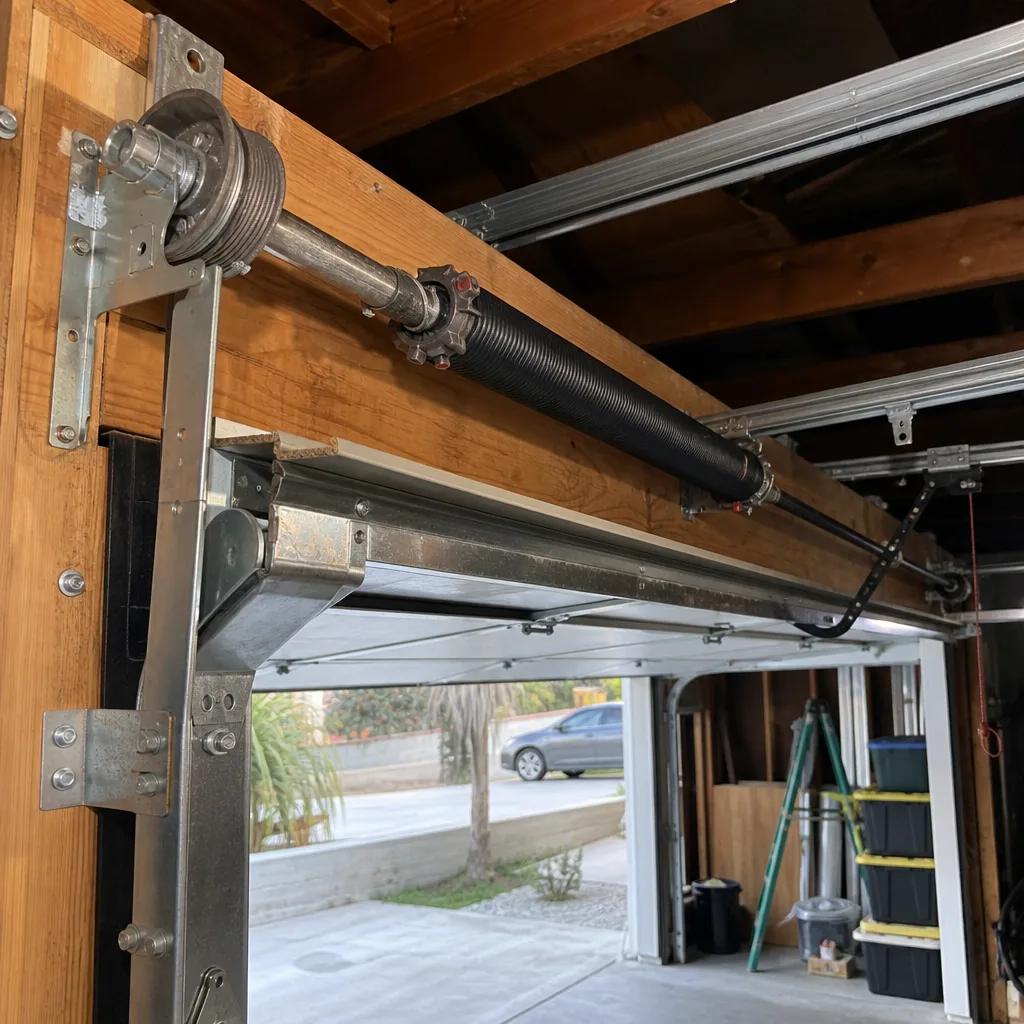
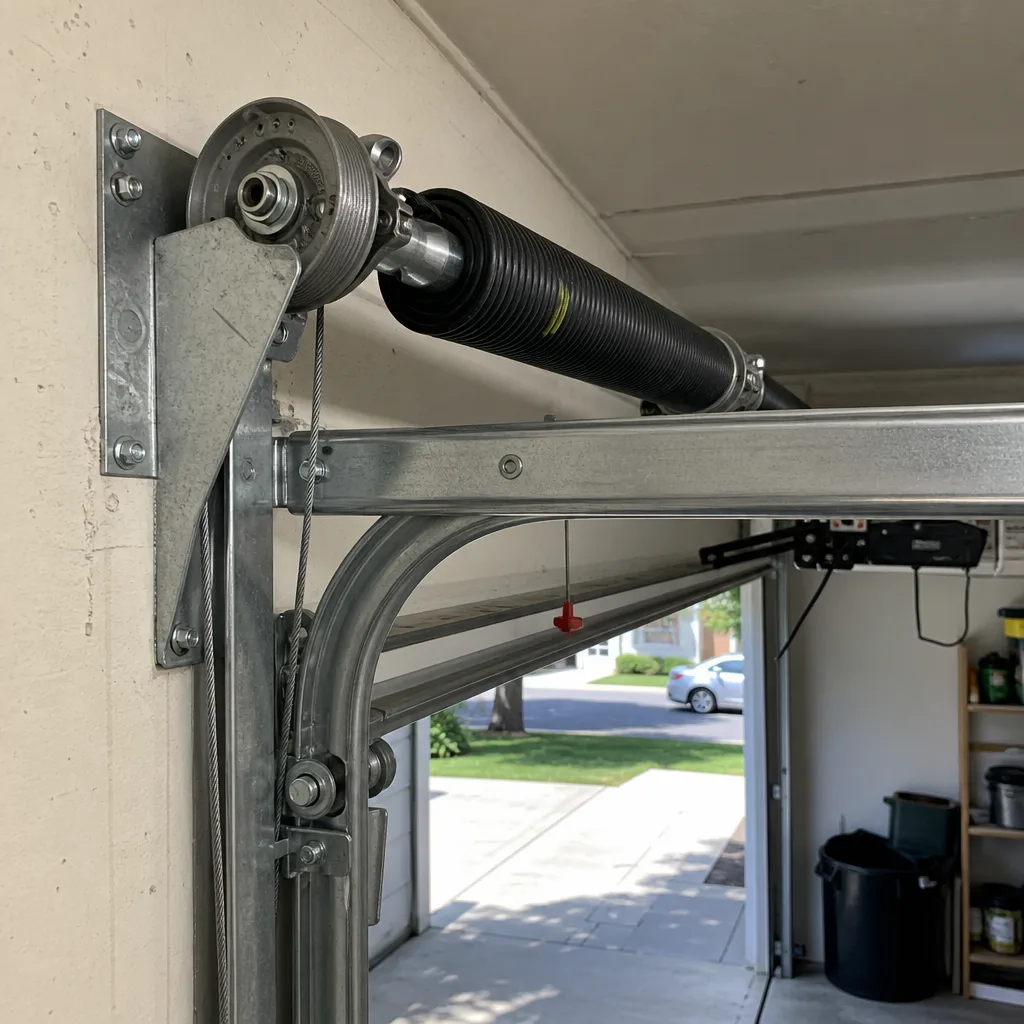
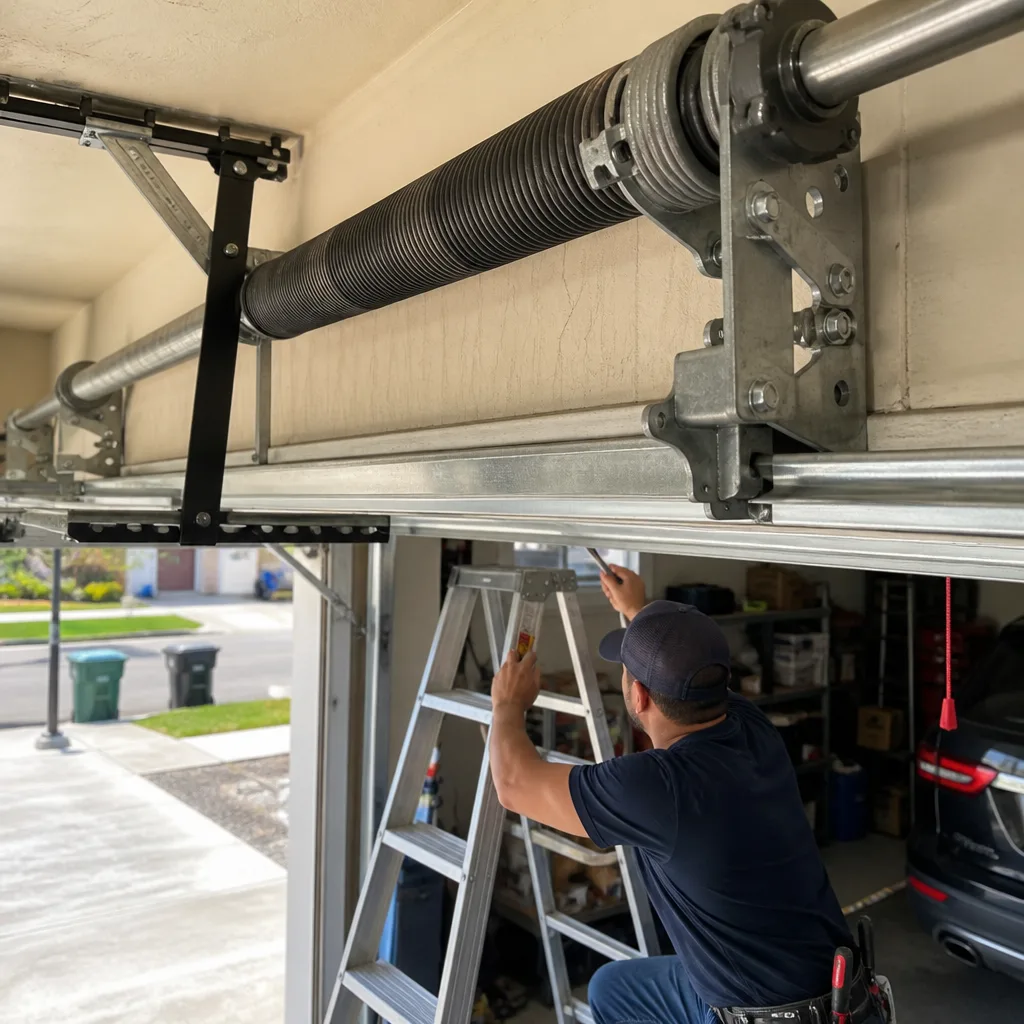
Torsion springs are under constant tension, and they flex microscopically with every open and close cycle. That flexing creates friction heat between coils, and the right lubricant reduces coil-on-coil wear. Use white lithium grease spray only, never a penetrating oil like WD-40 and never a heavy axle grease. Penetrating oils are too thin for the spring’s flex cycle and actually strip away protective coatings, while heavy grease attracts salt particles from Long Beach air and turns into an abrasive paste. Apply lithium grease along the top of the spring coils while the door is closed, then run the door once to distribute it. Do this every six months, or every four months if you live within two miles of the water.
Rollers: Silicone Spray On the Stem Only, and Only If Metal
Rollers are where most homeowners do the most damage with good intentions. If your door has nylon rollers with sealed ball bearings, those bearings are self-contained and need no external lubrication. Spraying them introduces solvent that can break down the factory grease and shorten their life. If you have steel rollers without bearings, a light silicone spray on the stem where it enters the hinge barrel is appropriate, but shoot it away from the wheel itself. Never lubricate the roller wheels. And never apply oil to any roller, because oil weeps out and runs down the track, collecting salt and grit that grinds the track surface.
Hinges: Silicone or Lithium Spray, Small Amounts
Hinges are the easiest component to maintain and the most commonly over-lubricated. A short spray of silicone or white lithium on each hinge pivot point, applied twice a year, is all they need. If you see lubricant running down the door panel below a hinge, you’ve applied too much. Wipe the excess with a dry cloth. In Long Beach’s coastal air, excess lubricant on hinges becomes a magnet for salt and dust, and that’s exactly what you’re trying to prevent.
Tracks: Leave Them Alone
This is the most important “don’t” on this entire page. Garage door tracks are not a lubrication point. They are a guide rail. The rollers are meant to roll on them with friction, not slide over a lubricated surface. A lubricated track changes how the roller interacts with the rail, and with a heavy door there’s a safety margin built into that friction. Add grease or oil to a track and you’ll end up with a gummy, gritty mess that accelerates wear and can cause the door to bind. If your tracks look dirty, wipe them with a dry cloth. That’s the only maintenance they need.
Opener Rail and Chain/Belt: Manufacturer-Specific Recommendation
Different openers use different drive systems, and the right approach depends on what you own. Chain-drive openers from LiftMaster and Chamberlain benefit from light white lithium grease on the chain itself about every 12 to 18 months, while belt-drive models should have nothing applied to the belt at all, since belt materials are self-lubricating and solvents degrade them. Screw-drive units from older Genie lineups require a specific grease designed for the worm gear. If you’re unsure what drive type you have, check the metal rail shape: a square channel indicates a chain or belt, a round threaded rod indicates screw-drive. Homes in Long Beach with original openers from the 2000s often have Craftsman or Genie screw-drive models, and those need the correct manufacturer lube. The opener is the one component where “universal” products genuinely don’t exist.
The Visual Inspection Checklist: Parts That Fail First in Salt Air
Long Beach’s coastal environment doesn’t degrade all door components evenly. There’s a predictable order in which parts show problems, and knowing that order lets you focus your attention where it matters. Here’s what to look at, in priority order, and what you’re looking for on each.
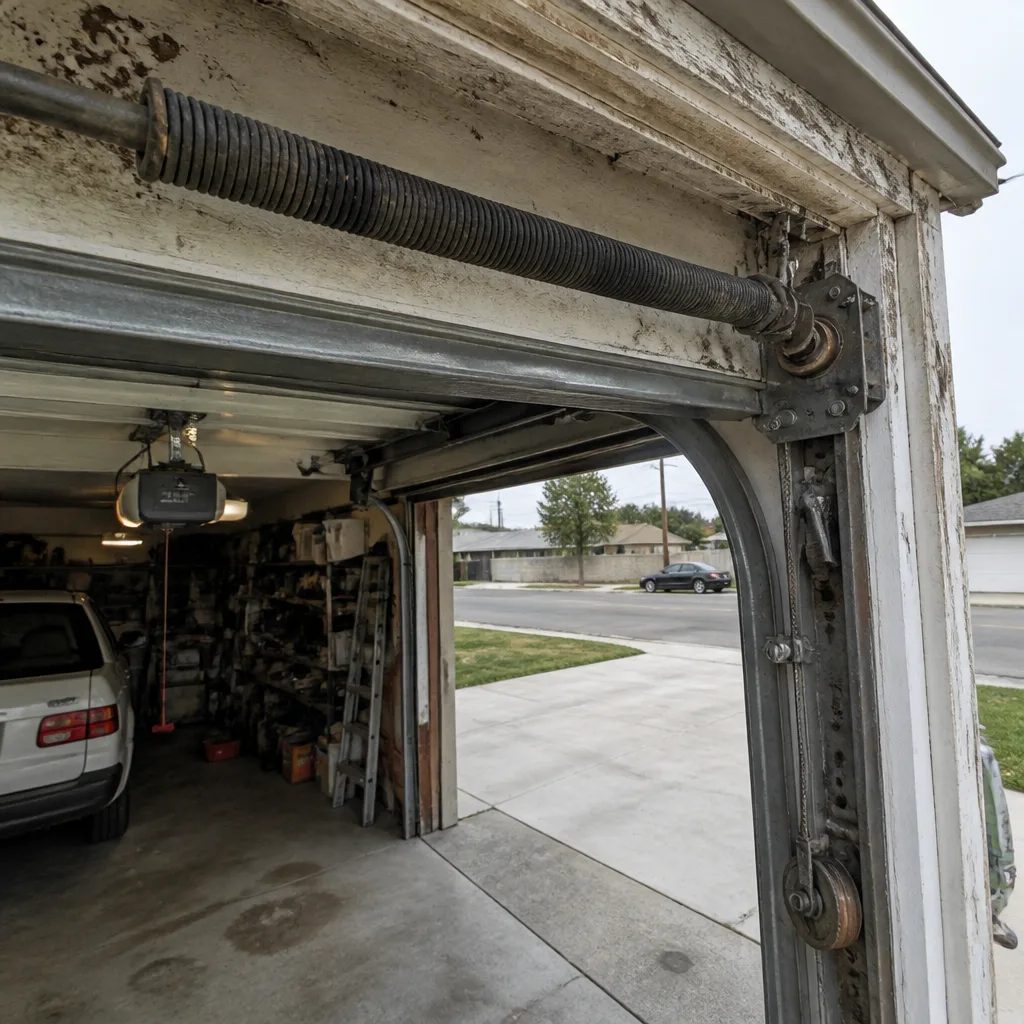
- Lift cables (highest inspection priority): These are the braided steel cables on both sides of the door, and they’re the component most likely to fail catastrophically in a coastal climate. Look for dark gray or brown flecks along the cable, which indicates rust forming between the strands, and for any individual wire that’s broken and sticking out. A cable that shows either condition is a do-it-now replacement, not a monitor-and-wait item. If a cable snaps while the door is in motion, the door can drop unevenly and cause serious injury or equipment damage.
- Torsion springs: Look for surface rust where the spring coils touch each other, and for a gap in the coil that wasn’t there when the spring was installed. Springs don’t rust evenly, and a small rust patch becomes a weak point. If you see corrosion, call for an inspection; a spring failure in progress often sounds like a sharp pop or ping during operation, and compressed salt air accelerates this process measurably in neighborhoods like Belmont Shore and along Ocean Boulevard.
- Bottom weatherstrip: The rubber seal along the bottom of the door, called a bottom retainer seal, cracks and hardens faster in salt-saturated air than inland. Water that gets under the door pools on your garage floor and raises the humidity inside the garage, which then accelerates corrosion on everything else including your opener’s internal electronics. Replace this every two to three years in Long Beach, more often if you park a car that drips water daily.
- Hinges and brackets: Look for orange or white powdery corrosion at the hinge pins and the bracket fasteners where they attach to the door sections. White powder is aluminum oxide, which forms on aluminum parts and is an early warning. Orange is steel rust and is more serious. If a hinge pin is visibly corroded, the hinge may bind mid-travel, which causes uneven wear on the door panels themselves.
- Photo-eye sensor lenses: These are the small photo-cell units mounted about six inches off the floor on both sides of the door opening. In Long Beach, salt film and road dust build up on the lenses quickly, especially in alleys and near busy streets where cars pass constantly. Clean them monthly with a dry or slightly damp cloth. A dirty lens causes intermittent “door won’t close” behavior that’s often misdiagnosed as electronic failure.
- Track alignment: Stand back and look at both vertical tracks and the horizontal sections where they head back into the garage. They should be perfectly straight and parallel. Salt corrosion isn’t the direct cause of misalignment, but rusted fasteners can loosen and allow the track to shift, and a shifted track is dangerous. If you see a visible bow or a gap between track and jamb, don’t use the door until it’s inspected.
Every item on this list connects back to one principle: in Long Beach’s coastal climate, components degrade from the outside in, not from use. A door that’s only opened twice a day may have worse cable corrosion than a door in Norwalk that cycles ten times a day, because the Long Beach door spends 24 hours a day in salt-saturated air.
Auditory Cues: When Noise Means Maintenance vs. When It Means Failure
Your garage door talks. Most homeowners ignore it until the day it stops talking and starts screaming. In our experience working on doors across Long Beach, from the older homes in Rose Park and Carroll Park up through the Wrigley district, every sound has a specific meaning, and some sounds are maintenance signals while others are failure warnings. Here’s how to tell the difference.
Normal sounds: A smooth, even whir from the opener, a light rolling sound from the rollers, and a soft clunk when the door touches the floor at the end of travel. If this is what you hear, maintain the schedule and don’t worry.
Maintenance sounds (act within the month):
- Squeaking or chirping from the hinges: Dry hinge pivot points. Lubricate with silicone spray, and the sound should clear immediately. If it persists after lubrication, the hinge is wearing and may need replacement.
- Light rattle when the door moves: Usually loose hardware: hinge fasteners, track bolts, or opener mounting brackets. A quarter-turn on the right bolts often resolves it. Check all visible fasteners and tighten any that move.
- Grinding from the opener, intermittent: On chain-drive openers like the common LiftMaster and Chamberlain models in Long Beach garages, this often means the chain has stretched and needs tensioning. It’s a simple adjustment, but leave it to a pro if you’re not comfortable with the process, because an over-tensioned chain damages the sprocket.
Failure sounds (stop using the door and call immediately):
- Sharp popping or banging during travel: A torsion spring that’s begun to fail will sometimes make a single loud pop as a coil slips, then continue to work until the next cycle. This is a spring in the final stage of its life. The next pop could be the full break, and a broken spring under tension is a serious hazard.
- Metal-on-metal scraping from the track area: A roller that’s seized and is being dragged along the track rather than rolling. In Long Beach’s salt air, roller bearings seize more often than they wear out, and a seized roller quickly carves a groove into the track.
- Repeated thumping that syncs with door travel: Often a broken spring segment, a damaged cable, or a roller that’s come out of the track. Each thump is the door fighting itself. This is a stop-using-it-now situation.
- Loud groaning with no movement: The opener’s motor is running but the door isn’t moving, which usually means a stripped gear inside the opener on older Craftsman or Genie screw-drive units. Continuing to operate it can burn out the motor entirely.
The pattern here is simple: squeaks and rattles are maintenance items you can handle this month. Anything that pops, scrapes, thumps, or groans while the door moves is a failure signal, and the correct action is to stop using the door and call a professional. In Long Beach’s salt-air conditions, these sounds don’t resolve on their own. They progress.
Opener Maintenance: The Steps Most Homeowners Skip
Most homeowners treat the opener as a black box: if the button works, the opener works. That’s like treating a car as a black box because it starts in the morning. The opener is a motorized unit with mechanical drive components, a control board, and safety sensors, and it sits in the same salt-saturated garage air as everything else. Here’s what to check, especially on units over five years old, which is the point where we start seeing preventable failures in Long Beach.
Step 1: Inspect the Opener Rail and Trolley
The rail is the metal track that runs from the motor head toward the door, and the trolley is the carriage that rides along it, connected to the door arm. On chain-drive LiftMaster and Chamberlain openers, the chain links can develop surface rust that stiffens individual links. On belt-drive models, the belt itself should be checked for fraying at the edges. And on any drive type, the trolley should be inspected for signs of metal shavings at the rail contact points, which indicate the trolley is binding rather than gliding. Run the door and watch the trolley; if it hesitates or twitches at any point, that’s a maintenance flag.
Step 2: Check the Emergency Release Cord
The red cord that hangs from the trolley disengages the opener so you can operate the door manually. Pull it gently and confirm the trolley releases, then re-engage it by running the opener once. If the cord is stiff, frayed, or if the release mechanism sticks, address it now. This is the component that matters most during a power outage, and Long Beach has its share of those during Santa Ana wind events. You want this working when you need it, not discovering it doesn’t when the power’s out and the car’s inside.
Step 3: Check Opener Mounting Straps and Bolts
The opener hangs from the garage ceiling on perforated metal straps. Vibration loosens these over time, and in many older Long Beach garages the ceiling joists weren’t designed for modern opener weights. Use a wrench to confirm all strap bolts and the motor-head mount are tight. If the opener visibly moves or twists when running, that’s the mounting hardware asking for attention, and ignoring it accelerates wear on the rail, the chain, and the gears inside the motor head.
Step 4: Lubricate the Rail, Not the Motor
Apply a light coat of white lithium grease to the rail surface where the trolley rides, but only if your model calls for it. Most belt-drive rails need no lubrication at all, and some modern LiftMaster and Chamberlain models use a white lithium grease pack inside the rail that’s sealed from the factory. Check your manual if you have it; if not, err on the side of not lubricating rather than applying the wrong product. What you should never do is spray anything into the motor head or the circuit board area. Electrical components and spray lubricants don’t mix, and we’ve replaced control boards in Long Beach homes that died because a homeowner tried to “lube the opener” and hit the logic board with silicone spray.
Step 5: Test Force Settings Twice a Year
Every opener since the early 1990s is required by federal law to have an auto-reverse feature, and the force setting determines how much resistance the opener will push against before reversing. If the setting is too high, the door becomes a crushing hazard. If it’s too low, the door stops and reverses randomly. Test the reversal monthly, which we cover in the next section, but also listen for strain in the motor on every cycle. A motor that sounds like it’s working harder than it used to may need a force adjustment, and that’s a quick professional fix, not a reason to replace the unit.
The opener is a machine with moving parts and electronics, and it lives in the same climate as the door it operates. Five years in a coastal Long Beach garage is roughly equivalent to seven years inland, all else equal. The maintenance above pushes that timeline out.
Safety Feature Testing: Your Quarterly Non-Negotiable
Garage doors are the heaviest moving object in most homes, and the safety systems built into modern openers are what stand between that weight and a person, pet, or object in the door’s path. These tests take five minutes and they’re not optional. Do them quarterly. In Long Beach, where kids use the garage as a play zone and neighbors share alley-facing doors, the stakes are high enough that we’d put this above every other item on this checklist.
Auto-Reverse Test (Mechanical)
- Place a 2×4 flat on the floor in the center of the door’s path.
- Close the door using the wall button or remote.
- The door should reverse within two seconds of contacting the 2×4.
- If it doesn’t reverse, or if it reverses too slowly, call a professional immediately for a force adjustment.
Photo-Eye Sensor Test (Optical)
- Start with the door open.
- Press the close button.
- Wave your foot across the photo-eye beam before the door reaches the floor.
- The door should stop and reverse immediately.
- If it doesn’t, clean the sensor lenses with a dry cloth and test again. If it still fails, the sensors may be misaligned or the wiring may be failing.
Balance Test
- Pull the emergency release cord to disengage the opener.
- Lift the door manually about halfway.
- Let go. A balanced door stays in place. An unbalanced door falls or rises on its own.
- If it moves, the springs need attention. An unbalanced door forces the opener to work harder and wears out the motor prematurely.
If any of these tests fails, don’t wait for the quarterly schedule. Address it the same week. The auto-reverse test is the one we hear about most often after the fact, when a door that should have reversed didn’t. These systems fail quietly, and quarterly testing is the only way to know they’re still protecting your family.
Common Mistakes to Avoid
- Using WD-40 as a garage door lubricant: WD-40 is a penetrating solvent, not a lubricant, and it strips protective coatings from springs and bearings. In Long Beach’s salt air, that stripped surface begins corroding immediately, which is the opposite of what you want.
- Lubricating the tracks: The most common mistake we see in Long Beach garages, and the most damaging. Tracks are guide rails, not lubrication points. Adding grease or oil makes them gritty and unsafe, and it accelerates roller wear rather than preventing it.
- Lubricating nylon rollers with sealed bearings: Modern doors, including many models from Clopay and Amarr installed in newer Long Beach developments, use sealed-bearing nylon rollers that need zero external lubrication. Spraying them breaks down the factory grease and shortens their life.
- Ignoring rust “because the door still works”: In Long Beach’s coastal air, rust on cables and springs is a countdown timer, not a cosmetic issue. A rust-flecked cable that works today can snap next month, and a rust-patched torsion spring is a failure in progress.
- Using heavy grease on torsion springs: Axle grease and similar heavy products attract salt and grit from marine air and create an abrasive coating that actually increases coil wear. White lithium spray is the correct product, applied lightly.
- Testing the auto-reverse feature once a year, or never: This safety feature fails quietly, and a door that doesn’t reverse when it should is a serious injury risk. Quarterly testing is the minimum, and it takes less time than brewing a pot of coffee.
- Assuming the opener doesn’t need maintenance: The opener is a machine with a motor, gears, a belt or chain, and a control board, all of which wear and all of which are affected by the same humid salt air as the door hardware. In Long Beach, an opener that’s never been inspected is a failure waiting for the worst possible moment.
When to Call a Professional
Most of the maintenance on this page is within reach of a careful homeowner. But there’s a clear line, and crossing it without the right tools, training, and experience is how people get hurt. Call a professional when you see frayed cables, rust-pitted torsion springs, a door that’s off balance, a track that’s visibly bent or shifted, or any failure sound from the list above: popping, scraping, thumping, or groaning. Torsion springs are under hundreds of pounds of torque, and cables under similar tension release a dangerous amount of energy when they snap. These are not DIY components. With openers, call when the auto-reverse test fails, when the motor grinds but the door doesn’t move, or when you’re not sure what drive type you have and what lubrication it needs. Garage door repair in Long Beach from a specialist who knows which parts fail first in our coastal air is always cheaper than emergency repair after a failure. Viking Garage Door Repair offers free estimates in Long Beach, and we work on the door you have, not just the brands we prefer. Call (855) 341-7943 to schedule an inspection or get a price before you start.
Frequently Asked Questions
Twice a year is the standard for most Long Beach homes, but houses within about two miles of the water should lubricate three times a year because the marine layer deposits salt film on metal hardware more rapidly near the coast. Aim for April, August, and late October for a coastal schedule, or April and October for inland Long Beach neighborhoods like East Long Beach and El Dorado Park. Use white lithium on springs and hinges, silicone on roller stems, and nothing on the tracks. Call (855) 341-7943 if you’re unsure which product matches your door’s components.
White lithium grease spray for torsion springs and hinges, silicone spray for metal roller stems, and the manufacturer-specified lubricant for the opener drive system. Never use WD-40 or penetrating oil, and never use heavy axle grease, because both fail badly in Long Beach’s humid, salt-saturated air. The wrong product on the wrong component is the single fastest way to shorten the life of your door hardware in a coastal climate.
The winter marine layer in Long Beach brings higher humidity and salt concentration than any other season, and that moisture works itself into hinge pins and roller stems where it breaks down existing lubricant. Cold metal also contracts slightly, which tightens hinge tolerances. If winter squeaks start, lubricate the hinges and roller stems with the correct product, and if the noise persists after lubrication, the hinge or roller itself is wearing and needs replacement.
Look for rust patches on the spring coils, especially where coils touch each other, and listen for a sharp pop or ping during door operation. Either signal in a Long Beach garage means the spring is in its final stage, because salt-air corrosion creates weak points that regular cycling eventually fractures. If the door suddenly feels heavier when you operate it manually, that’s also a spring telling you it’s losing tension. A spring on its way out needs professional replacement, not lubrication: call (855) 341-7943 for an inspection.
No. Garage door cables are under the same high tension as torsion springs, and a cable that snaps during removal releases that energy without warning. This is one of the most dangerous DIY repairs in any trade. A professional with the right winding tools and training can replace a corroded cable safely in under an hour, and in Long Beach where salt-air corrosion makes cable replacement a recurring need, it’s a routine service at Viking Garage Door Repair. Call (855) 341-7943 and we’ll quote it before any work begins.
Expect roughly seven to ten years from a quality opener in a coastal Long Beach garage, compared to the ten-to-fifteen-year lifespan the same unit might achieve inland. Salt-saturated air accelerates corrosion on the drive chain, mounting hardware, and internal contacts. Belt-drive LiftMaster and Chamberlain openers tend to hold up better than chain-drive units in our climate because there’s less exposed metal. If your opener is over five years old and hasn’t been inspected, a maintenance visit now can add years to its life. Garage door installation in Long Beach and opener work are both under one roof here, so you’re not chasing two companies for one fix.
The Bottom Line
Long Beach isn’t a dry-climate city, and your garage door maintenance shouldn’t follow a dry-climate playbook. Salt air from the marine layer changes which parts fail first, how often they need attention, and what products you should use on them. The core routine is simple: lubricate springs and hinges with white lithium every six months, or every four months near the water, inspect cables and springs every month for rust, test the auto-reverse and balance quarterly, and listen. Squeaks are maintenance. Pops, scrapes, thumps, and groans are failures in progress. If you’d rather not think about any of this, Viking Garage Door Repair handles the whole checklist in under an hour, and prices are quoted and agreed before any work starts. Call (855) 341-7943 for a free estimate, whether it’s maintenance, a nagging noise, or a door that’s ready to retire.
Written by the team at Viking Garage Door Repair, serving Long Beach since 2015. Explore more guides & resources on our blog.
See the difference
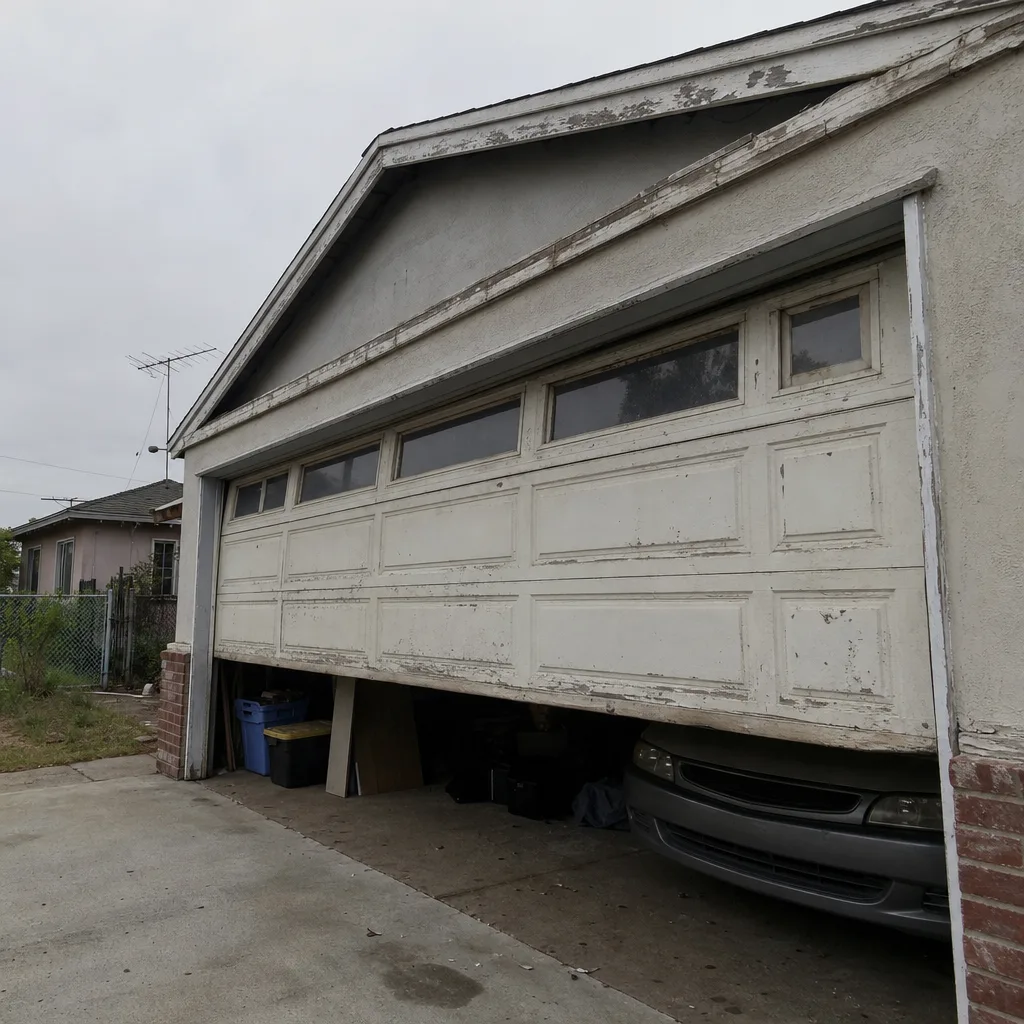 Before
 After
 Before
 After
 Before
 After