Last updated October 31, 2026
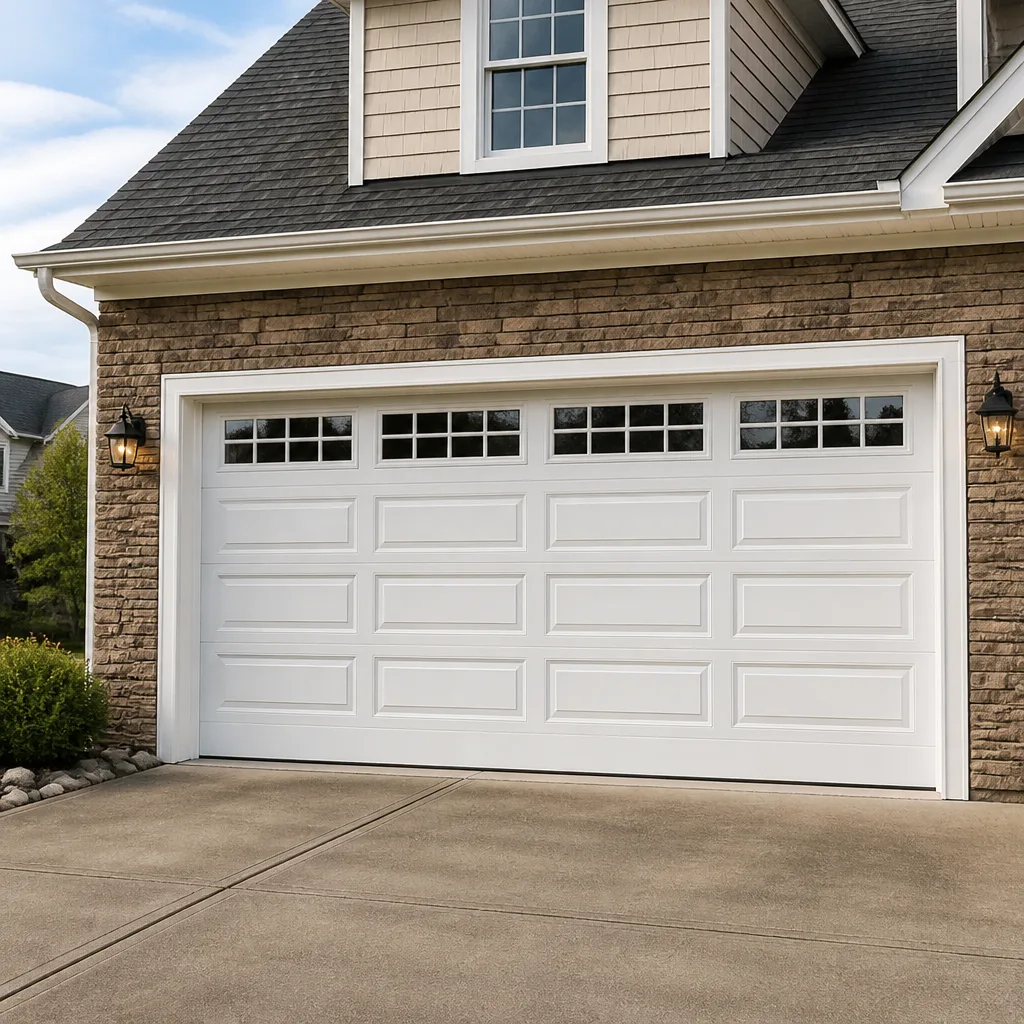 Raised-panel steel
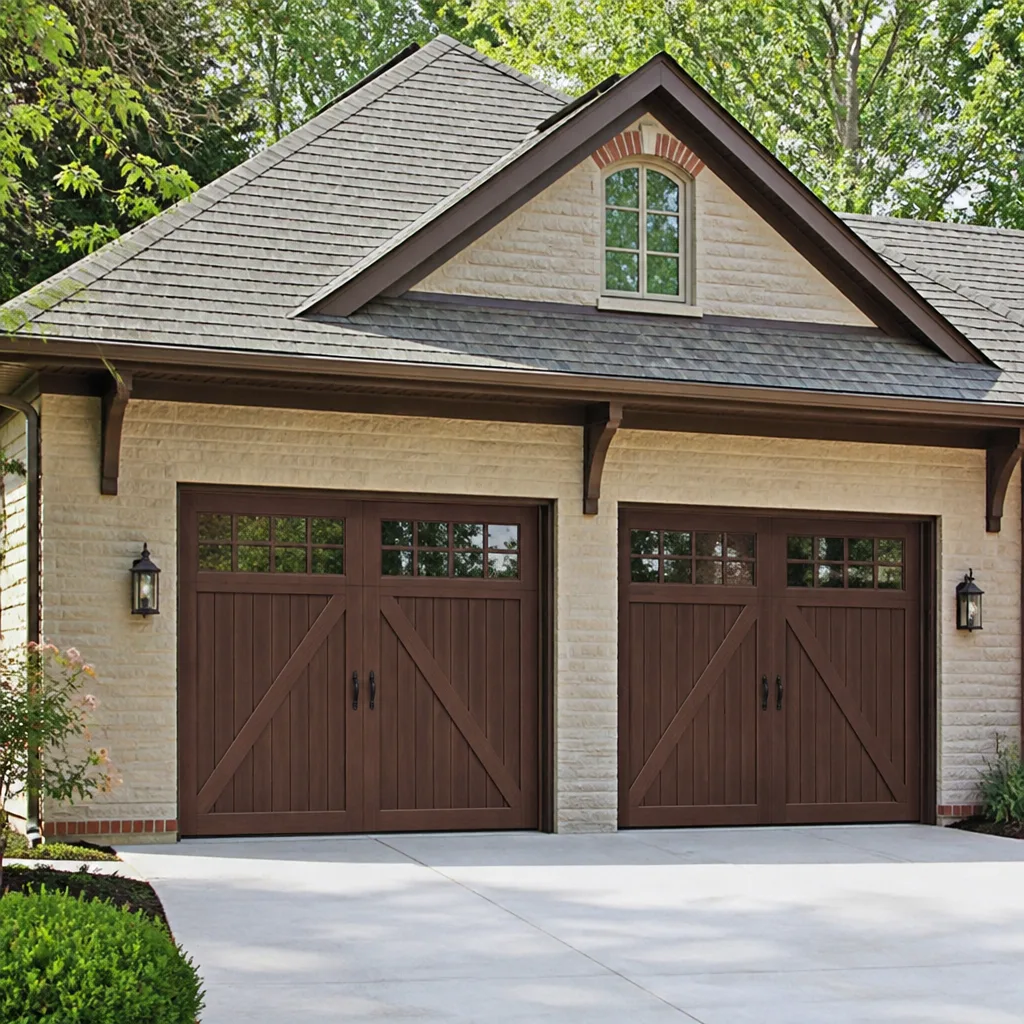 Carriage house
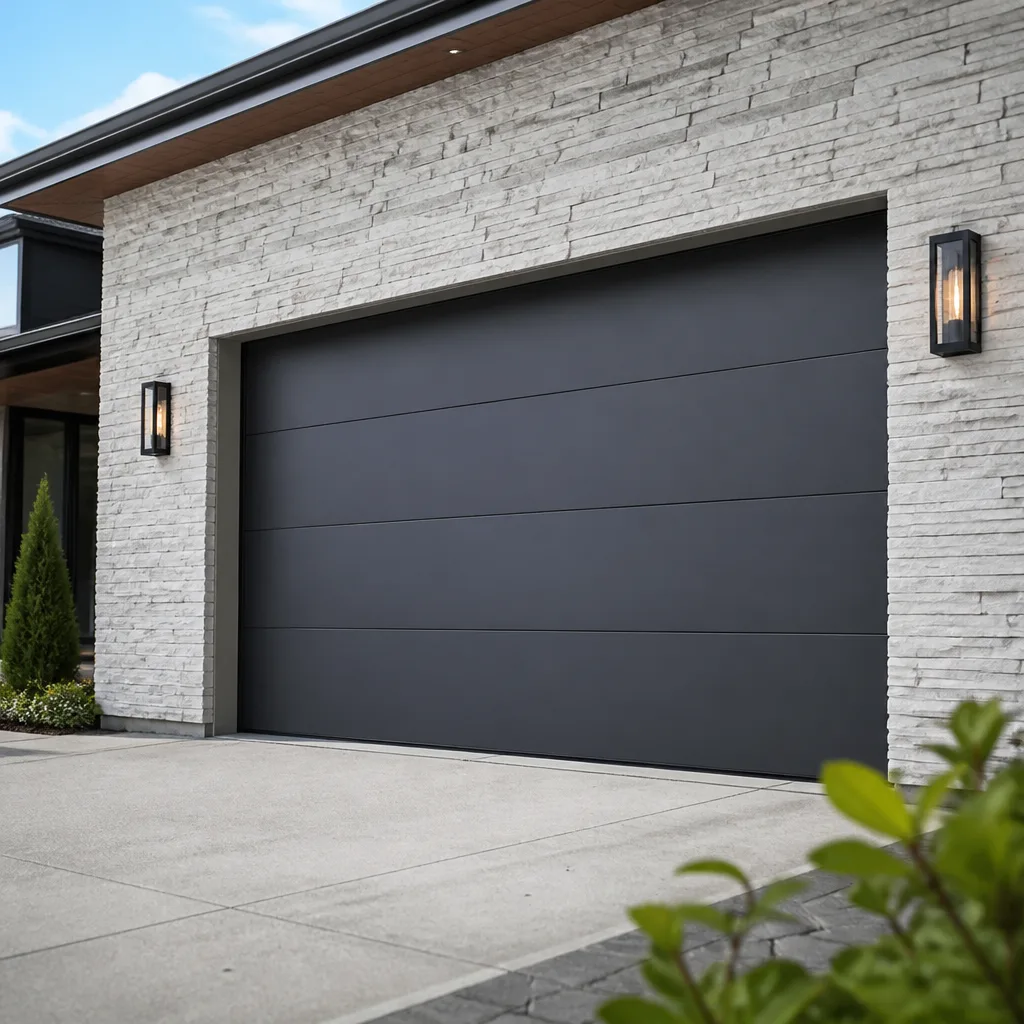 Modern flush
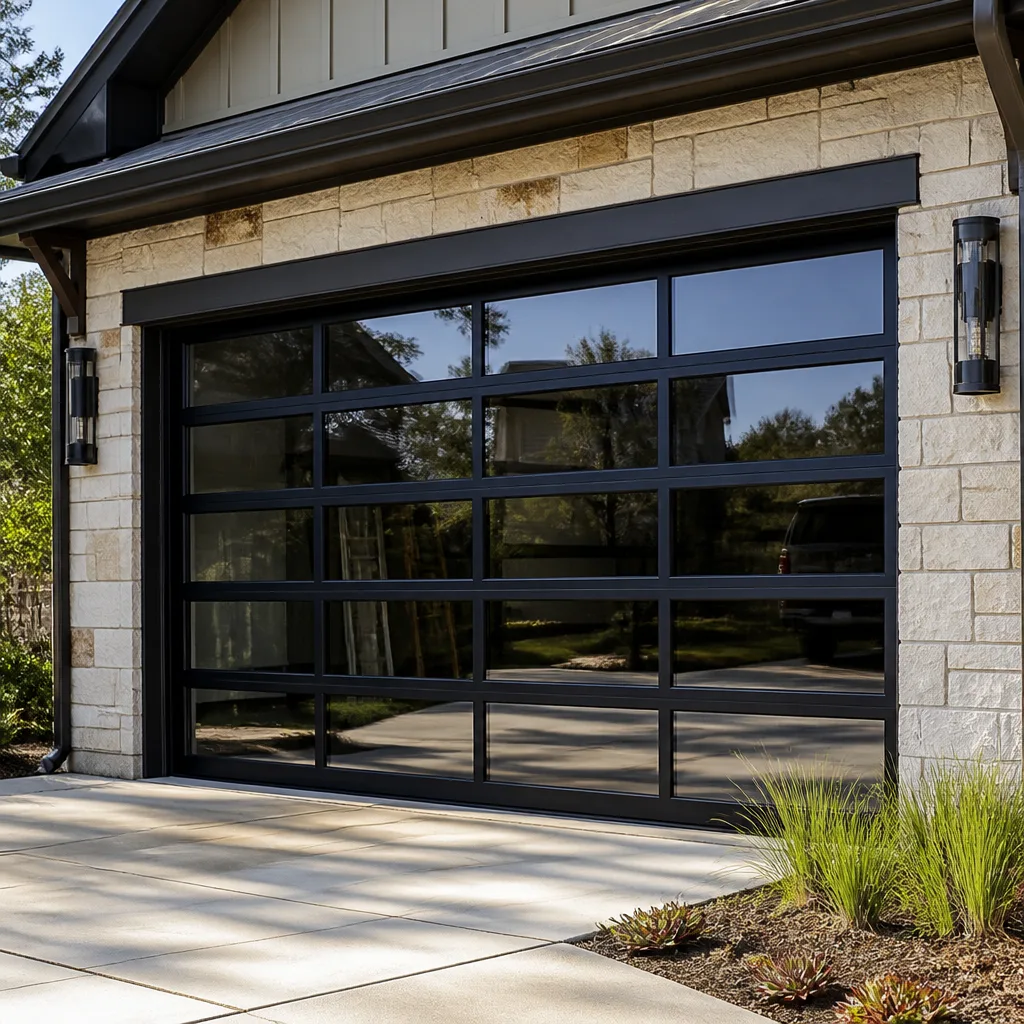 Full-view glass
 LiftMaster openers
 Chamberlain openers
Full 25-point door and opener safety check with every visit - springs, cables, rollers, tracks, and your LiftMaster or Chamberlain opener included
You get a price before we start. It does not change when the truck arrives.
Get your free estimateGarage Door Emergency Preparedness Guide for Long Beach Homes
Here’s a statistic that should make every Long Beach homeowner uneasy: in a city with more than 400,000 garage doors and a documented earthquake fault running through or near several residential neighborhoods, fewer than one in ten homeowners has ever pulled their garage door’s manual release cord. Not once. The moment a magnitude 5.5 quake hits the Newport-Inglewood fault and knocks your door off its tracks, that untested release mechanism becomes the only thing standing between you and a vehicle trapped inside your garage for days. This guide covers exactly what Long Beach residents need to know before that moment arrives: seismic sensor testing, manual release operation, battery backup planning, post-impact protocol, and the emergency information that gets a technician to your home faster with the right parts.
Styles & brands we work with
Quick Answer
The core of garage door emergency preparedness in Long Beach is testing your manual release system monthly, verifying your opener’s seismic disconnect sensor works, installing a battery backup if your opener supports one, and knowing your door’s brand, model, and track type before you ever need to make an emergency call. Most emergencies fall into three categories: earthquake damage, power outage lockout, and vehicle impact. Each has a distinct first-30-minutes protocol that determines whether you need same-day repair or can safely wait.
Table of Contents
- How to Use Your Manual Release Cord (And What to Do When It Doesn’t Work)
- Seismic Disconnect: California’s Earthquake-Ready Opener Requirements
- Power Outage Protocol: Battery Backup and Manual Override
- Vehicle Impact: The First 30 Minutes
- Building an Emergency Contact Protocol
- Know Your Door: Brand, Model, and Track Type
- Long Beach-Specific Considerations: Salt Air, Heat, and Parking Pressure
- Common Mistakes to Avoid
- When to Call a Professional
- Frequently Asked Questions
- The Bottom Line
How to Use Your Manual Release Cord (And What to Do When It Doesn’t Work)
The red-handled cord hanging from your opener rail is the manual release. Pulling it disengages the opener’s trolley from the door, allowing you to operate the door by hand. In an emergency where power is out or the opener has failed, this is your primary way to get a car out or secure your home. It is a pull-and-release motion: pull straight down with one firm tug. Do not yank sideways. The handle is typically red and located in the center of the rail, within reach of the door’s top panel when closed.
Now, here’s what most Long Beach homeowners discover the first time they try it: the cord doesn’t move, or the door won’t budge after disengaging. In our experience, this happens for three reasons. First, the carriage is jammed from a track misalignment that happened long before the emergency. Second, the door is under tension from a broken spring, which means even disengaged, it won’t lift without dangerous force. Third, the release mechanism itself has seized from years of disuse and salt air corrosion we see all along the coast near Belmont Shore and Naples. Test yours monthly. If it doesn’t move or the door won’t lift by hand after disengagement, write that down in your emergency protocol immediately. That is a repair you want scheduled now, not after an earthquake.
Seismic Disconnect: California’s Earthquake-Ready Opener Requirements
California has a building code requirement that all automatic garage door openers installed after 1992 include a seismic disconnect feature designed to disengage the door from the opener during an earthquake. The intent is simple: when the ground shakes, the opener should release the door cleanly so the shaking does not bend the track, snap the emergency cable, or damage the opener’s gearbox. On a LiftMaster or Chamberlain opener, this is usually a pendulum-style sensor that triggers the disconnect when lateral force exceeds a set threshold. On an older Craftsman opener still common in Long Beach’s mid-century tract homes near Los Altos and Bixby Knolls, the seismic feature may be missing entirely or nonfunctional.
Your job as a homeowner is to verify that the sensor exists and that it responds to even mild lateral input. You can test this by tapping the opener housing gently with the side of your fist while the door is closed. The door should not spasm or creep; but more importantly, when you apply lateral pressure to the rail while disengaged, the mechanism should release without resistance. If you have a newer opener installed in the last decade, check the owner’s manual and confirm whether the seismic disengage is active. We see older Raynor and Wayne Dalton openers in Lakewood Village where the seismic component was disabled by a previous repair and never re-enabled. That is a preventable vulnerability.
Power Outage Protocol: Battery Backup and Manual Override
A Long Beach power outage from Santa Ana wind events or heat-related grid strain can hit at any time. If your opener has no battery backup, the door will not operate electrically. You will need to use the manual release described above. But here’s the step-by-step sequence that prevents damage and keeps your home secure overnight:
- Disengage the manual release only while the door is in the fully closed position. Pulling it while the door is open can cause a free-fall or track jump.
- Lift the door by hand to test its balance. A balanced door should lift smoothly and stay up around waist height without falling or shooting upward. If it slams down on its own, you have a spring problem and should close it immediately and call a professional.
- If you need to leave the door closed overnight, use the manual slide lock on the inside of the track if your door has one. If you have an older door without a slide lock, a wooden dowel or steel bar placed across the track above a roller will physically prevent the door from being lifted from outside.
- If you must leave the door open for vehicle access, prop it securely with locking pliers clamped onto the track above a roller on each side. Do not rely on the opener rail to hold the door up.
Battery backup openers solve the convenience side of this, but they are only viable if the battery is tested. A Genie or LiftMaster battery backup unit that has never been cycled in three years will not help you at 2 a.m. Test yours quarterly by unplugging the opener and operating the door twice. If the battery no longer holds a charge, a new unit is a modest investment compared to the alternative.
Vehicle Impact: The First 30 Minutes
Vehicle impact on a garage door is the most common emergency we see in Long Beach, particularly in neighborhoods with narrow alley-access garages like Belmont Heights and downtown’s older apartment buildings. Whether it’s a family car that slipped out of park or a delivery vehicle that clipped the corner, what you do in the first half hour determines the difference between a panel replacement and a full door replacement.
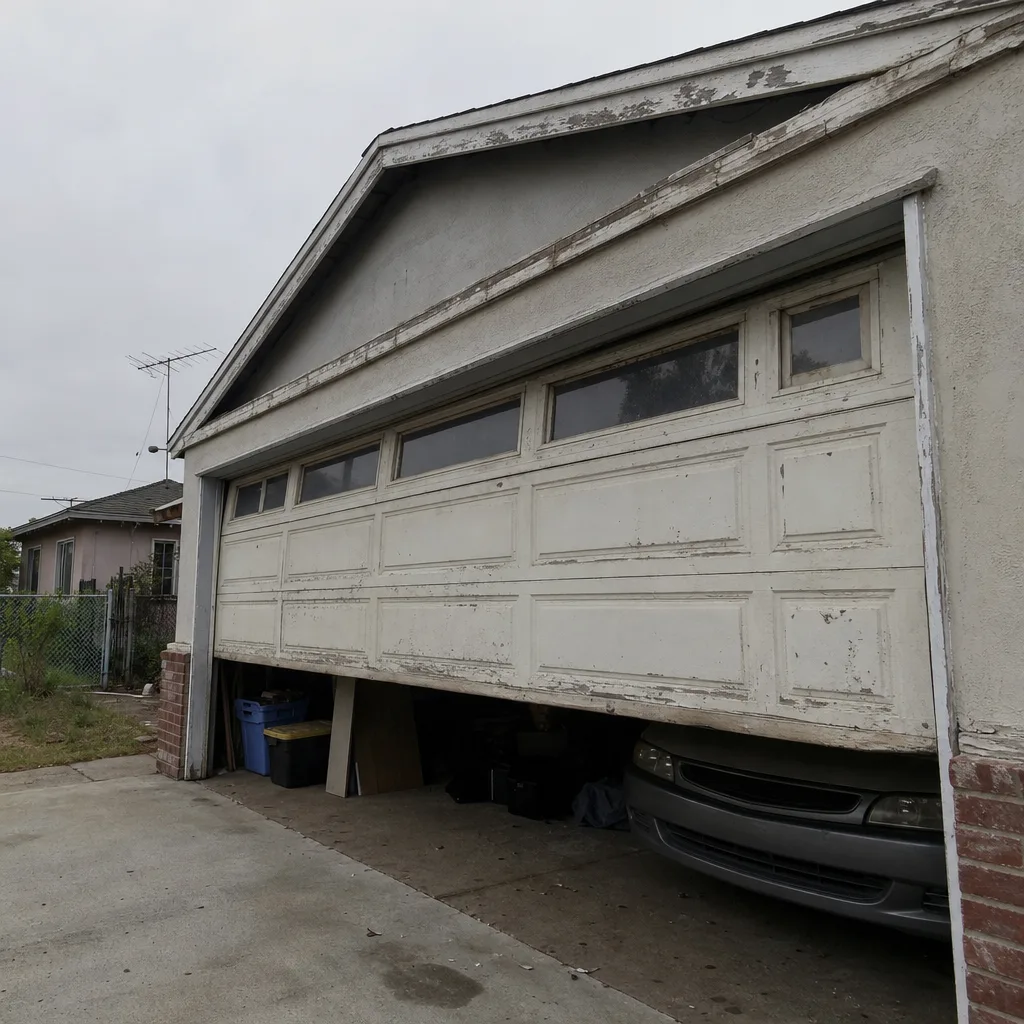
- Assess from a distance first. Do not stand under the door. A door that has been knocked partially off its tracks can have a roller pop loose and drop a panel at any moment.
- Do not operate the opener. This is the single biggest mistake homeowners make. The opener will pull against a jammed door and wrench the top panel, bend the rail, or strip the gear on an older Craftsman or Raynor opener. The damage compounds quickly.
- Check whether the door is structurally blocking the opening. If the door is hanging at an angle but still partially attached, secure it with a rope or strap tied from the track to a sturdy anchor point like the door’s bottom bracket. This prevents it from toppling outward onto a car or person.
- Photograph everything immediately. Angles from both sides, the point of impact, and the position of the car relative to the door. Your insurance adjuster will need these, and the images will help the tech understand the failure.
- Close the internal door to your house and treat the garage as unsecured until a professional arrives. A damaged door that cannot close is an open invitation in any Long Beach neighborhood.
Building an Emergency Contact Protocol
When you call a garage door company during an emergency, every minute the technician spends extracting information from you is a minute they are not dispatching. A prepared homeowner has this information ready before the phone even rings: the door’s brand name and approximate age, the opener’s brand and whether it’s belt-drive, chain-drive, or screw-drive, a description of the specific failure (broken spring, off-track door, dead opener, impact damage), and the door’s size (single or double car, standard 7-foot height or non-standard).
This information is especially important in Long Beach because many homes were built at different times with different door standards. A 1950s home in Bixby Knolls may have a non-standard door height that requires specially ordered sections, while a newer development in Douglas Park will likely have a standard 7-foot door. If you know your door is a Clopay or Amarr product, say so. Technicians stock common replacement parts for these brands and can often resolve the issue on a first visit if they know before dispatch.
Know Your Door: Brand, Model, and Track Type
The fastest way to turn a 90-minute repair into a two-day ordeal is to not know what kind of door is attached to your house. You don’t need to be a door expert, but you should be able to answer these three questions: what brand is the door, what style is it (sectional, single panel, roll-up), and does it use torsion springs or extension springs.
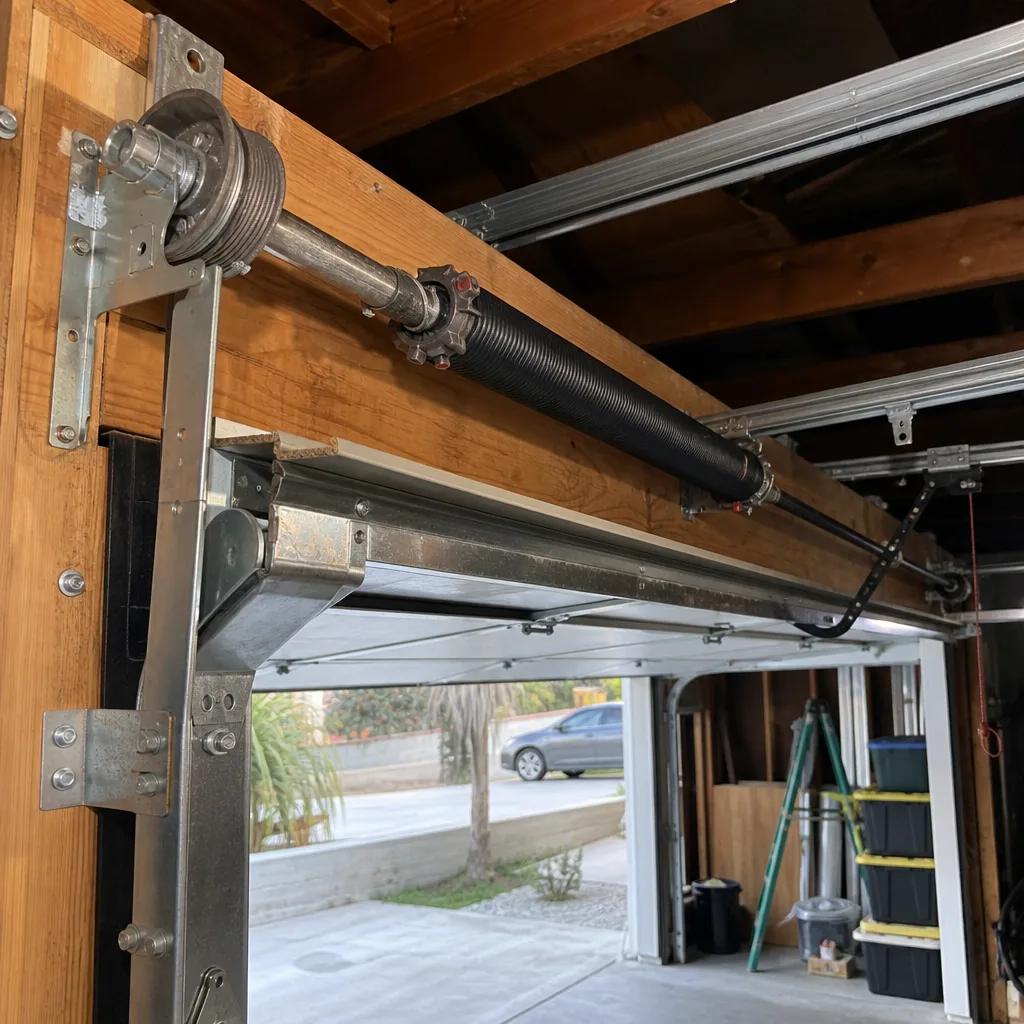
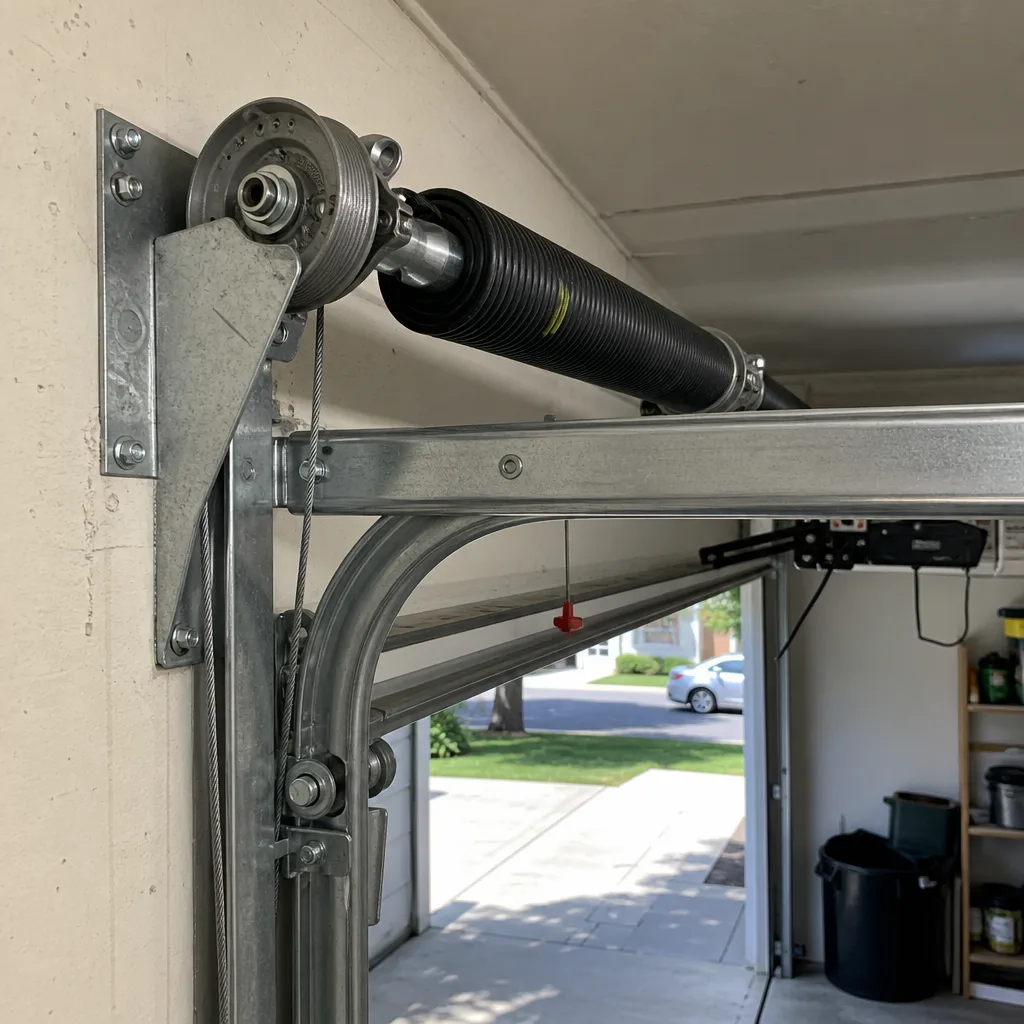
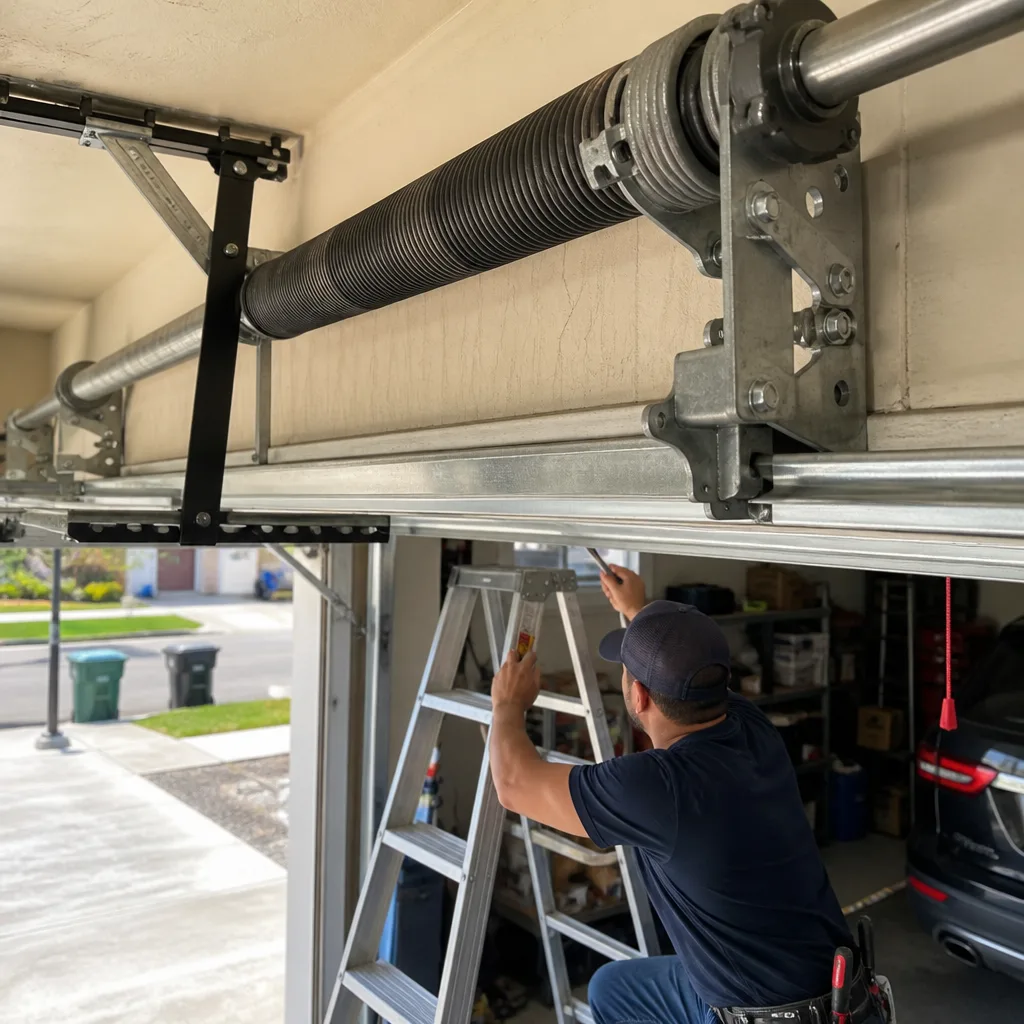
Open your garage door and look at the top panel or the inside face of the bottom section. Most manufacturers like Amarr, Clopay, and Wayne Dalton emboss or sticker their name there. The spring system is even more straightforward: if you have a long spring on each side of the door running parallel to the track, those are extension springs. If you have a single coil of steel above the center of the door or two coils mounted on a pipe, that’s a torsion spring. This matters enormously because a torsion spring failure is a different repair than an extension spring failure, and a door that mixes hardware from different manufacturers can present unique challenges that a brand-specific Long Beach garage door repair technician will recognize immediately.
Long Beach-Specific Considerations: Salt Air, Heat, and Parking Pressure
Long Beach’s climate does three things to a garage door that inland cities rarely deal with. First, the salt air that hangs over Belmont Shore, Naples, and the Peninsula corrodes every unpainted steel component: springs, rollers, hinges, cables. We see springs with surface rust within eighteen months of installation in oceanfront homes. Second, the summer heat radiating off alley-facing doors, particularly on homes in the Los Altos area with west-facing garages, causes metal expansion and contraction cycles that work bolts loose over time and worsen an existing track alignment problem. Third, the parking pressure in older neighborhoods means garage doors are often used as the primary vehicle entry multiple times per day rather than occasionally, which accelerates roller and hinge wear.
If you live anywhere within the coastal influence zone, add a monthly inspection to your calendar. Look for rust on the torsion spring and cables, listen for a change in the door’s opening smoothness, and check that the weather seal along the bottom is not separating from the door’s aluminum retainer. Catching these issues before the wet season prevents the salt-and-moisture corrosion cycle from snapping a cable under load.
Common Mistakes to Avoid
- Pulling the manual release while the door is open. This can send a misbalanced door crashing to the ground and has caused injuries. Only disengage with the door down.
- Operating the opener after visible damage. A door that has been knocked off track will be pulled further into bind by the opener’s motor. This is how a two-panel repair becomes a full door replacement.
- Ignoring the seismic disconnect sensor. California code requires it, but many Long Beach homeowners have never confirmed it exists or works. This single component determines whether your door survives an earthquake or becomes a hazard.
- Choosing the cheapest spring replacement. An under-rated spring for the door’s weight will fail early and often. In a salt air environment, it will fail even sooner. The difference is a matter of months, not years.
- Not knowing your door brand before an emergency. When a spring breaks at 6 a.m. on a Saturday, the technician needs to dispatch with the right parts. If they have to open the door blindly, you will likely get an estimate, then wait for parts, then wait for a second appointment.
- Storing emergency equipment against the garage door. If the items you need in an earthquake, power outage, or evacuation are stacked against the door, and the door is jammed shut, your emergency kit is now inaccessible.
When to Call a Professional
A broken torsion spring carries enough stored energy to kill. A door off its tracks can fall without warning. A snapped cable under residual tension can whip unpredictably. None of these are DIY repairs, and no amount of YouTube confidence changes the physics. Call a professional immediately if your springs show visible rust or separation, if your door leans to one side or binds in the track, if the opener runs but the door does not move, or if your vehicle has made physical contact with any part of the door. Viking Garage Door Repair offers free estimates in Long Beach, and every repair gets a written quote before any work begins. Call (855) 341-7943.
Frequently Asked Questions
Pull the red manual release cord straight down while the door is fully closed, then lift the door by hand using the handle or bottom edge. If the door feels unusually heavy, the spring may have failed, and you should stop and call a professional rather than forcing it. Many Long Beach homes also have battery backup openers that eliminate this problem entirely.
Yes. California has required seismic disconnect features on automatic garage door openers since 1992. If your opener is older than this, it is not compliant and upgrades are strongly recommended. Even newer openers may have had the sensor disabled during a previous repair, so confirm it is present and responsive.
Do not operate the opener. Assess the damage from a safe distance, photograph everything, and secure the door if it appears unstable. Even a slow roll into the door can dislodge rollers from the track and leave the door vulnerable to collapse. The correct next step is a professional assessment, not a test of the opener.
Yes. If your door will not close, close or lock the house-to-garage door and treat the garage as unsecured. If the door is stuck partially open, use a wood block or steel bar across the track to prevent it from sliding further. If the door is fully down but unpowered, use the slide lock or a bar across the track above a roller.
Monthly. The salt air in coastal Long Beach corrodes release mechanisms faster than inland climates, and a release that has not been pulled in a year may not work when it is the only thing between you and a trapped car. Test it with the door closed, then re-engage the opener by running it through one full cycle.
Your door brand, opener brand, door size, and the nature of the failure. This lets the dispatcher send a technician with the correct parts on the first trip, which matters most when you are dealing with a spring failure, a track derailment, or an opener failure and cannot wait days for a second appointment. Call (855) 341-7943 for a Long Beach repair estimate, free of charge.
The Bottom Line
A garage door emergency in Long Beach is rarely a slow event. Earthquakes, power outages from wind events, and vehicle impacts all create urgent, immediate problems that favor the prepared homeowner. Knowing how to release your door manually, confirming your seismic sensor works, installing and testing a battery backup, and having your door’s brand and specs written down before an emergency saves time, money, and possibly a lot more. The maintenance habits that matter most are monthly testing of the release and a close visual check for rust, which Long Beach’s salt air accelerates. You do not need to become a garage door expert. You need to be a prepared homeowner, and that starts with knowing your door.
Written by the team at Viking Garage Door Repair, serving Long Beach since 2015.
See the difference
 Before
 After
 Before
 After
 Before
 After