Last updated October 31, 2026
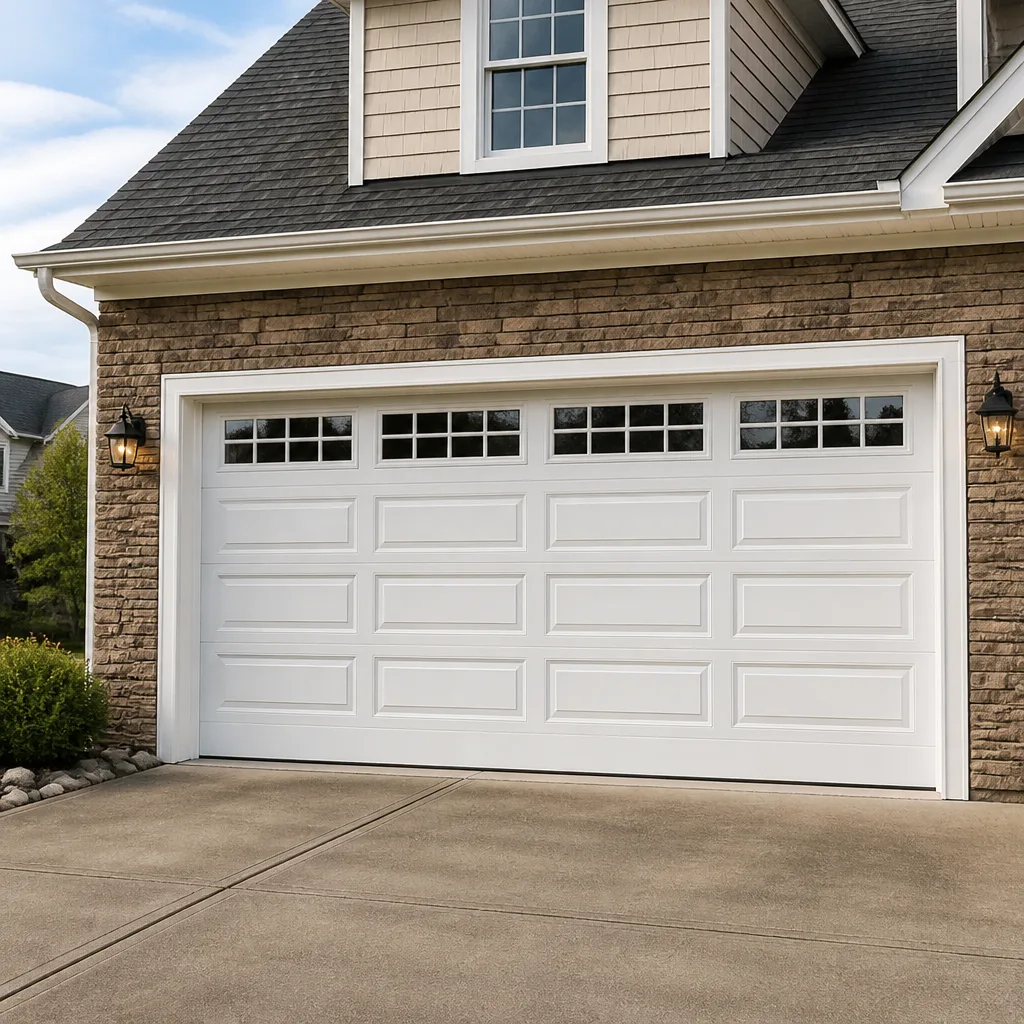 Raised-panel steel
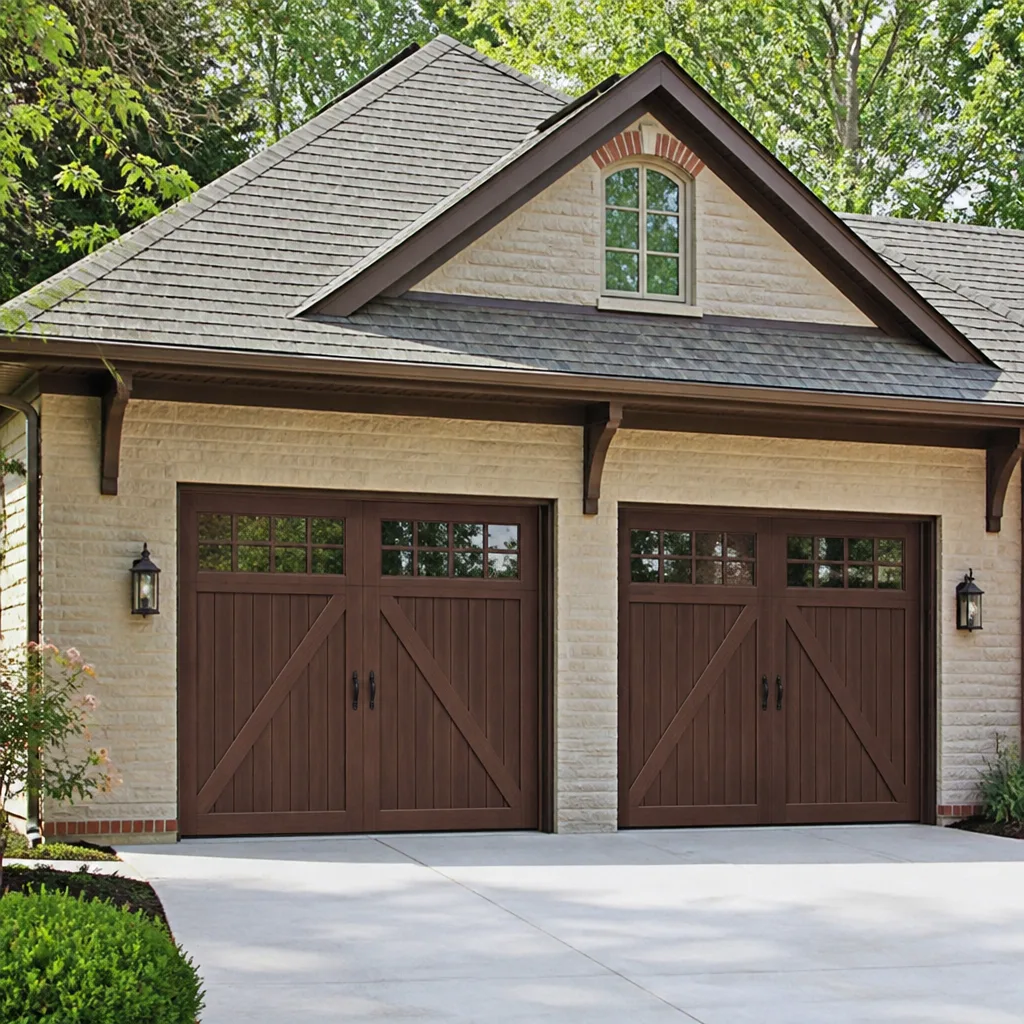 Carriage house
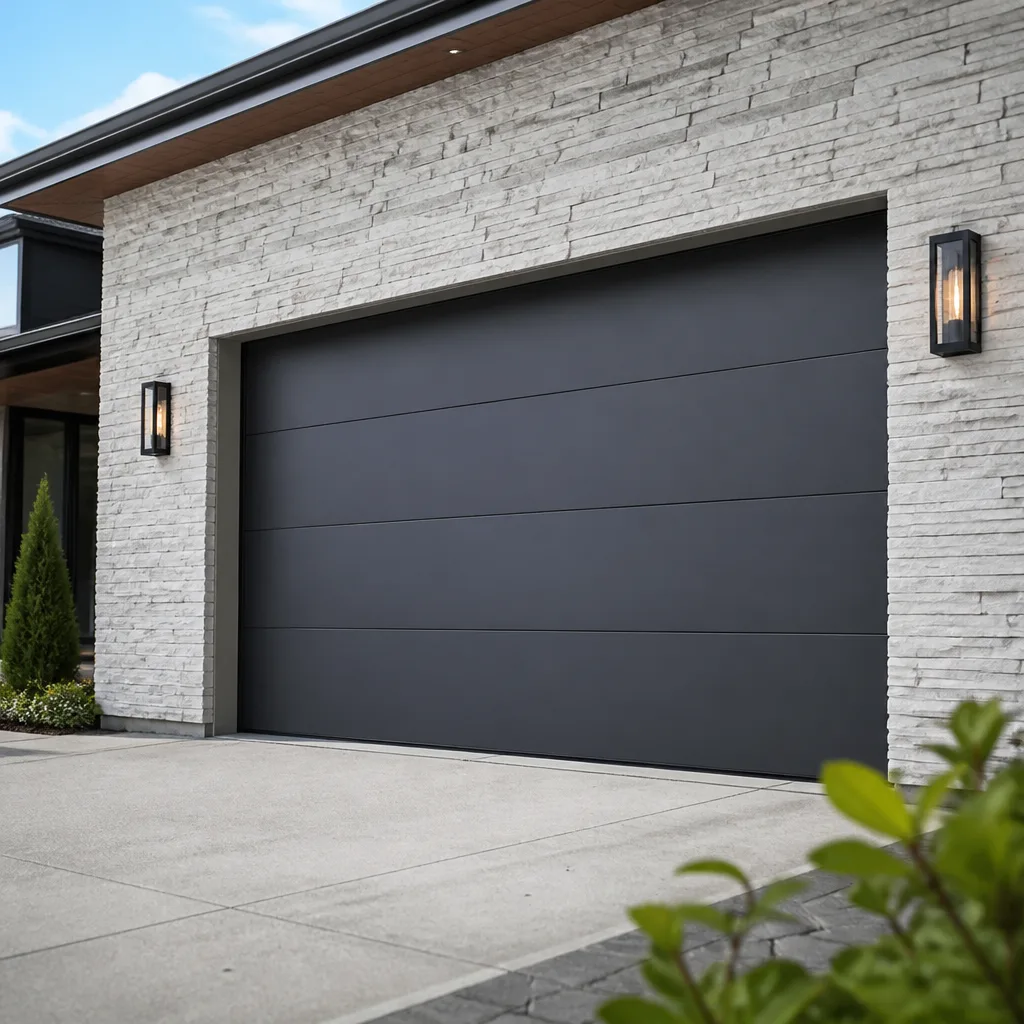 Modern flush
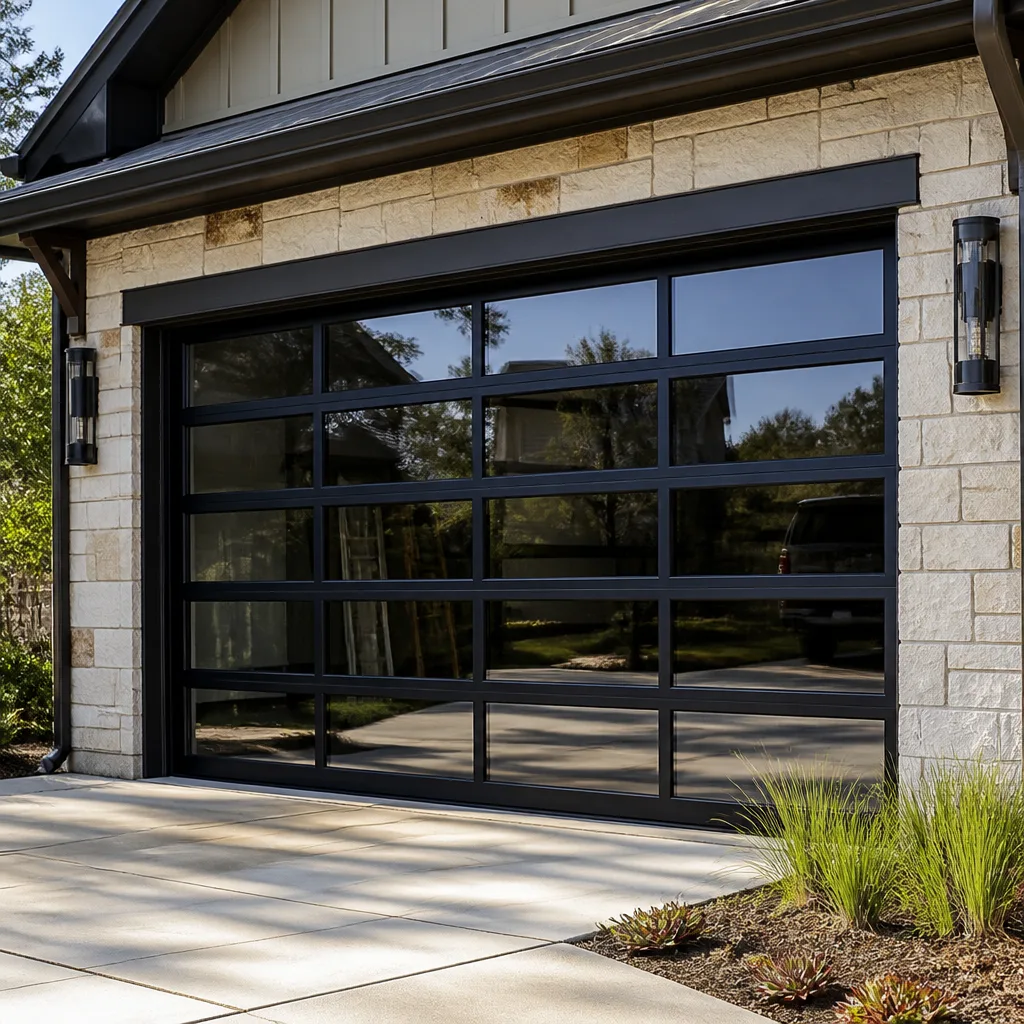 Full-view glass
 LiftMaster openers
 Chamberlain openers
Full 25-point door and opener safety check with every visit - springs, cables, rollers, tracks, and your LiftMaster or Chamberlain opener included
You get a price before we start. It does not change when the truck arrives.
Get your free estimateGarage Door Permits, Codes & Inspections in CA: What You Need to Know
Most homeowners in Long Beach have no idea that swapping an old garage door for a new one can trigger a permit requirement under California building code. Contractors who “handle it all the time” often skip the permit to save a day of paperwork, and the homeowner doesn’t learn about the problem until escrow. If you sell your Long Beach home after an unpermitted garage door replacement, it can surface during the buyer’s inspection and kill the deal. This guide explains exactly when a permit is required in Long Beach, which projects are genuinely exempt, what Title 24 and UL 325 compliance mean for your door, and how to confirm your contractor pulled the permit before the first panel comes off the truck.
Quick Answer
A full garage door replacement in Long Beach generally requires a building permit when the opening size changes, structural framing is modified, or a new door is installed where none existed before. Like-for-like replacements of an existing door in the same opening, with no structural changes, typically qualify as exempt under the California Residential Code. For help diagnosing issues before replacement, see our Garage Door Repair Troubleshooting: Common Problems and How to Fix Them. Energy compliance (Title 24) and opener safety compliance (UL 325) apply regardless of whether a permit is required. Always confirm the permit status in writing before work begins.
Styles & brands we work with
Table of Contents
- Long Beach Garage Door Permit Requirements: What Actually Triggers One
- Like-for-Like Replacements: What Qualifies as Exempt in Long Beach
- California Title 24 and Garage Door Insulation: What the Energy Code Requires
- UL 325 Opener Compliance: How California Enforces It Differently
- What a Failed Inspection Means for You: Re-Work, Fines, and Resale Disclosure
- How to Confirm Your Contractor Pulled the Permit Before Work Starts
- What Garage Door Permits Cost in Long Beach and Who Pays
- Common Mistakes to Avoid
- When to Call a Professional
- Frequently Asked Questions
Long Beach Garage Door Permit Requirements: What Actually Triggers One
The California Residential Code (CRC) governs what requires a building permit, and the City of Long Beach adopts it through the Long Beach Municipal Code. Here’s the part most homeowners miss: a permit is not just about the door itself. It’s about whether the work alters the building envelope, the structural opening, or the electrical and safety systems connected to the door. In Long Beach, a permit is typically required when any of the following is true:
- The rough opening is being enlarged or reduced. Cutting into a header, extending a wall, or reframing the opening to fit a different door size is structural work. That requires plans and a permit in Long Beach.
- A garage door is being added where none existed. Converting a carport to a garage, or adding a door to a previously solid wall, creates a new opening and requires a permit.
- The door is being replaced as part of a larger remodel. If you’re already pulling permits for other work, Long Beach code enforcement will expect the garage door to be on the same permit application.
- Springs, cables, or the lifting system are being re-engineered. Changing from torsion to extension springs or relocating the opener mounting requires a plan review in many Long Beach permit applications.
Here’s the nuance most online guides miss: the City of Long Beach’s Building and Safety Bureau treats garage door replacement as a building permit item (not an electrical or mechanical permit), but the permit fee is often modest. The bigger issue is time. A same-day swap becomes a two-trip job when an inspector needs to verify the framing before the new door goes in.
We’ve seen this play out in neighborhoods across Long Beach, from Belmont Shore to Bixby Knolls. Homeowners who hired a contractor that skipped the permit often find out the hard way that their insurance adjuster will ask about permits after a storm or fire claim involving the garage. The permit isn’t bureaucracy for its own sake. It’s proof the work was done to code.
Like-for-Like Replacements: What Qualifies as Exempt in Long Beach
Not every garage door job requires a permit, and understanding the exemption is just as important as knowing when one is triggered. Under the California Residential Code and Long Beach’s adoption of it, a like-for-like replacement is generally exempt when all of the following are true:
- The new door fits the existing opening exactly. No modifications to the header, jambs, or framing. You can swap a 16×7 for another 16×7, but going from 16×7 to 18×8 requires a permit.
- No structural members are altered. The existing header and king studs stay exactly where they are.
- The door serves the same function. A sectional for a sectional, a roll-up for a roll-up. Changing from a swing-out carriage door to a sectional track door is not like-for-like because the loading changes.
- The replacement doesn’t trigger energy code upgrades. This is where it gets tricky. A basic panel swap on an uninsulated door may be exempt from permit requirements, but Title 24 energy standards can still apply if the door is part of a conditioned or semi-conditioned space.
Here’s what confuses homeowners in Long Beach specifically: the city’s coastal climate means many garages are unconditioned spaces with no insulation requirements at all. A single-car garage in Naples or the Peninsula that’s never been insulated can often have a like-for-like door swap without an energy compliance trigger. But if your garage has a finished interior, drywall, or any HVAC registers, the energy code treats it differently. A Viking technician can look at your specific setup and tell you which category your garage falls into before you order a door. We work on Clopay, Amarr, and Wayne Dalton doors, and we’ve seen all three manufacturers ship doors that meet California’s energy standards out of the box when specified correctly.
California Title 24 and Garage Door Insulation: What the Energy Code Requires
California’s Title 24 Building Energy Efficiency Standards are stricter than federal minimums, and they apply to garage doors in specific situations. Here’s the direct answer: if your garage is an unconditioned space (no heating, no cooling, no insulation in the walls), Title 24 does not impose insulation requirements on the door itself. But if the garage is conditioned (heated or cooled) or is attached to conditioned space through shared walls or ceilings, the door becomes part of the building’s thermal envelope, and the insulation R-value matters.
In Long Beach, where many homes were built before modern energy codes, the distinction usually comes down to this:
- Unconditioned garage: No minimum R-value required. A non-insulated steel door is perfectly acceptable under Title 24.
- Conditioned garage: A multi-layer door with a minimum R-value is typically required, with the exact number depending on climate zone. Long Beach falls into California Climate Zone 6, which has moderate requirements compared to inland zones.
- Garage with living space above: If there’s a bedroom or finished room above the garage, the slab between them must meet insulation requirements, and the garage door may need insulation to prevent heat transfer through the shared envelope.
Manufacturers like Genie, Clopay, Amarr, and Wayne Dalton all produce garage doors with polyurethane or polystyrene insulation rated for Title 24 compliance. The R-value of a door is not the only factor. Air infiltration (how well the door seals when closed) is part of the energy calculation, and a poorly installed door can fail an energy inspection even if the panel R-value is sufficient. That’s why pulling the permit and having the installation inspected matters. The inspection verifies the door meets the energy code, not just that it opens and closes.
UL 325 Opener Compliance: How California Enforces It Differently
UL 325 is a national safety standard for garage door openers, covering the auto-reverse mechanism, entrapment sensors, and force limits. Every garage door opener sold in California must meet UL 325, but California’s enforcement goes further than the federal baseline in one specific way: local inspectors in cities like Long Beach routinely verify UL 325 compliance during any permitted garage door installation that includes an opener.
What this means in practice:
- Photo-eye sensors must be installed no higher than 6 inches off the floor. California inspectors check this. A sensor mounted at 8 or 10 inches to avoid a workbench or stored item will fail inspection in Long Beach.
- The auto-reverse force setting must be tested during inspection. The inspector will use a 2×4 laid flat under the closing door to verify the door reverses upon contact. If the force setting is too high, the door will pinch the board instead of reversing, and the inspection fails.
- Manual release handles must be within reach from the floor. This is part of the California Building Code’s adoption of UL 325. A release cord that requires a ladder to reach fails inspection.
- Openers installed in new or replacement garage door projects must be listed for California use. Not every opener imported from out of state meets California’s energy and safety standards.
We see failed UL 325 inspections in Long Beach more often than most homeowners would believe. The most common cause is a photo-eye sensor that was mounted incorrectly because the garage has shelving or a workbench along the wall. The fix is usually simple, but it requires a second inspection visit, which means more time and another fee. When we handle a Garage Door Opener Repair in Long Beach, we check UL 325 compliance as part of the service, not as an afterthought.
What a Failed Inspection Means for You: Re-Work, Fines, and Resale Disclosure
A failed garage door inspection in Long Beach is not the end of the world, but it’s not free either. When an inspector finds a problem, the permit stays open, and the issues must be corrected before the final sign-off. Here’s what that actually looks like:
- Correction notices. The inspector documents each failed item and provides a correction list. Common items include missing photo-eye sensors, improper spring anchor points, non-compliant framing, or a door that wasn’t installed to the manufacturer’s specifications.
- Re-work costs. If the door wasn’t installed correctly, the contractor should return to fix it at their expense. But if the contractor was unlicensed or has disappeared, the homeowner pays for the corrections out of pocket.
- Re-inspection fees. Long Beach charges a fee for each re-inspection. One failed item means one re-inspection. Multiple failed items usually mean one re-inspection if they’re all corrected at once, but repeated failures add up.
- Open permits at resale. This is the biggest risk. An open or unpermitted garage door permit in Long Beach shows up during a title search or buyer’s inspection. Sellers are required to disclose unpermitted work on the California Seller Property Questionnaire. An unpermitted garage door replacement means either paying for a permit retroactively, correcting the work to pass inspection, or accepting a lower sale price.
In our experience working across Long Beach, the most preventable issues are photo-eye sensor placement and spring anchor configuration. Both are quick to fix when caught during installation, but they become expensive problems when discovered months later by a home inspector. A permit isn’t just a piece of paper. It’s proof that the work was inspected and approved, and it protects the value of your home when you sell.
How to Confirm Your Contractor Pulled the Permit Before Work Starts
Any contractor can say “we’ll handle the permit.” What matters is whether they actually pull it. In Long Beach, the permit process creates a paper trail that any homeowner can verify independently. Here’s the step-by-step:
- Ask for the permit number before installation day. A legitimate contractor pulls the permit before starting work, not after. If they can’t provide a permit number or say they’ll “take care of it later,” that’s a red flag.
- Verify the permit online. The City of Long Beach’s Building and Safety Bureau maintains an online permit search tool where you can look up permits by address. If the contractor says they pulled a permit but it doesn’t appear, call the Building Department directly.
- Confirm the permit covers the actual work. A permit for “minor repair” doesn’t cover a full door replacement. Read the permit description and make sure it matches the scope.
- Keep a copy of the signed permit card. When the inspector approves the work, the permit is signed off and closed. That document is your proof of compliance. Store it with your home records, not in a drawer you’ll forget about.
- Never pay the final invoice until the permit is closed. A contractor who has been paid in full has little incentive to chase down an inspection.
This applies whether you’re hiring a general contractor or a garage door specialist. The permit requirement doesn’t disappear just because the company is experienced. At Viking Garage Door Repair, we pull permits for any Long Beach installation that requires one, and we provide the permit number before the work begins. That’s not a favor. That’s how it works.
What Garage Door Permits Cost in Long Beach and Who Pays
Permit fees in Long Beach for a typical garage door replacement vary based on the project valuation and whether structural work is involved. Most building permits for a like-for-like garage door replacement with no structural changes run in the $100 to $300 range in Long Beach, including plan review and inspection fees. Projects that involve framing changes, new openings, or structural modifications cost more because the plan review process is more involved.
Here’s the breakdown most homeowners care about:
- Standard garage door replacement permit: Typically $100-$300 in Long Beach, depending on the declared project value.
- Structural modification permit: When the opening size changes, expect $300-$600 or more, including plan review.
- Re-inspection fee: Long Beach charges per re-inspection visit. One failed item is one fee.
- Retroactive permit: If work was done without a permit and you need to legalize it after the fact, the City of Long Beach charges a penalty fee on top of the standard permit cost. The penalty is often double the standard permit fee.
Who pays the permit fee? It’s part of the total project cost. A reputable contractor includes the permit fee in the quote or clearly itemizes it as a separate line item. A contractor who quotes a suspiciously low price is often skipping the permit altogether. When you’re comparing quotes for Garage Door Installation in Long Beach, ask each bidder to confirm in writing whether the permit fee is included. The answer tells you a lot about how they operate.
Common Mistakes to Avoid
- Assuming “like-for-like” always means no permit. A like-for-like replacement of the door panels is exempt, but if you’re changing the door type (carriage to sectional, for example), the loading changes and a permit may be required.
- Trusting a verbal “we’ll handle the permit.” The permit number either exists before work starts or it doesn’t. In Long Beach, you can verify it online in five minutes.
- Letting the contractor install the photo-eye sensors wherever it’s convenient. UL 325 and Long Beach inspections require the sensors at 6 inches or lower. A convenient-but-too-high sensor fails inspection every time.
- Paying the final invoice before the inspection is signed off. Once the contractor has your money, their incentive to finish the permit process drops dramatically.
- Believing that unpermitted work won’t be discovered at resale. Long Beach buyers and their inspectors check for open permits. The California Seller Property Questionnaire requires disclosure, and lying on it brings legal exposure.
- Specifying a door without checking Title 24 requirements for your garage. A conditioned garage in Long Beach requires a different insulation spec than an unconditioned one. Ordering the wrong door means a failed inspection or a door that never gets permitted.
When to Call a Professional
A garage door permit question isn’t a DIY project. If your contractor can’t explain the permit requirement, can’t produce a permit number, or tells you “nobody pulls permits for doors,” you’re hiring the wrong person. A specialist who knows the Long Beach code inside and out will tell you exactly what’s required and won’t ask you to absorb the liability of unpermitted work. You also need a professional when the project involves structural changes, new openings, or opener replacement that must meet UL 325. A company that installs a door without confirming code compliance or following a Garage Door Repair Maintenance Checklist for Long Beach Homeowners isn’t saving you money. They’re transferring risk onto you. Viking Garage Door Repair offers free estimates in Long Beach – call (855) 341-7943.
Frequently Asked Questions
A permit is required in Long Beach when the opening size changes, structural framing is modified, or a door is added where none existed. A like-for-like replacement of an existing door in the same opening is typically exempt. When in doubt, call the Long Beach Building and Safety Bureau or have your contractor confirm in writing.
A like-for-like replacement means the new door fits the existing opening exactly, no structural members are altered, and the door serves the same function. Same size, same type, same opening. Changing the door size or type triggers a permit.
In most cases, replacing an existing garage door opener with a UListed opener in the same location does not require a building permit. However, the new opener must meet UL 325 safety standards, and if it’s part of a larger permitted door project, the inspector will verify compliance including photo-eye sensor placement and auto-reverse function.
An unpermitted garage door replacement can surface during the buyer’s inspection or title search in Long Beach. You’re required to disclose unpermitted work on the California Seller Property Questionnaire. The buyer may demand a retroactive permit, price reduction, or repair credit. In some cases, deals fall through entirely.
If your garage in Long Beach is an unconditioned space with no heating, cooling, or wall insulation, Title 24 does not impose insulation requirements on the door. If your garage is conditioned or has living space above it, the door becomes part of the thermal envelope and insulation standards apply.
You can search permits by address through the City of Long Beach’s online permit portal or call the Building and Safety Bureau directly. Verify the permit number before work starts and confirm the permit scope matches the work being done.
The Bottom Line
Garage door permits in Long Beach are not optional extras. A full replacement that changes the opening or framing requires a permit, and skipping it transfers real liability onto you, the homeowner. That liability usually surfaces at the worst possible time: during a resale, an insurance claim, or a failed inspection. The California energy code and UL 325 opener standards add another layer of compliance that most homeowners never hear about until something goes wrong. The fix is simple: verify the permit before the work starts, confirm it covers the actual scope, and don’t pay the final invoice until the inspection is signed off. A contractor who handles all of that without being asked is doing the job right. If you’re planning a garage door project in Long Beach, Garage Door Repair in Long Beach starts with an honest conversation about what your specific project requires. Call (855) 341-7943 for a free estimate from Viking Garage Door Repair home.
Written by the team at Viking Garage Door Repair, serving Long Beach since 2015. Browse more guides & resources on garage door care and local code requirements.
See the difference
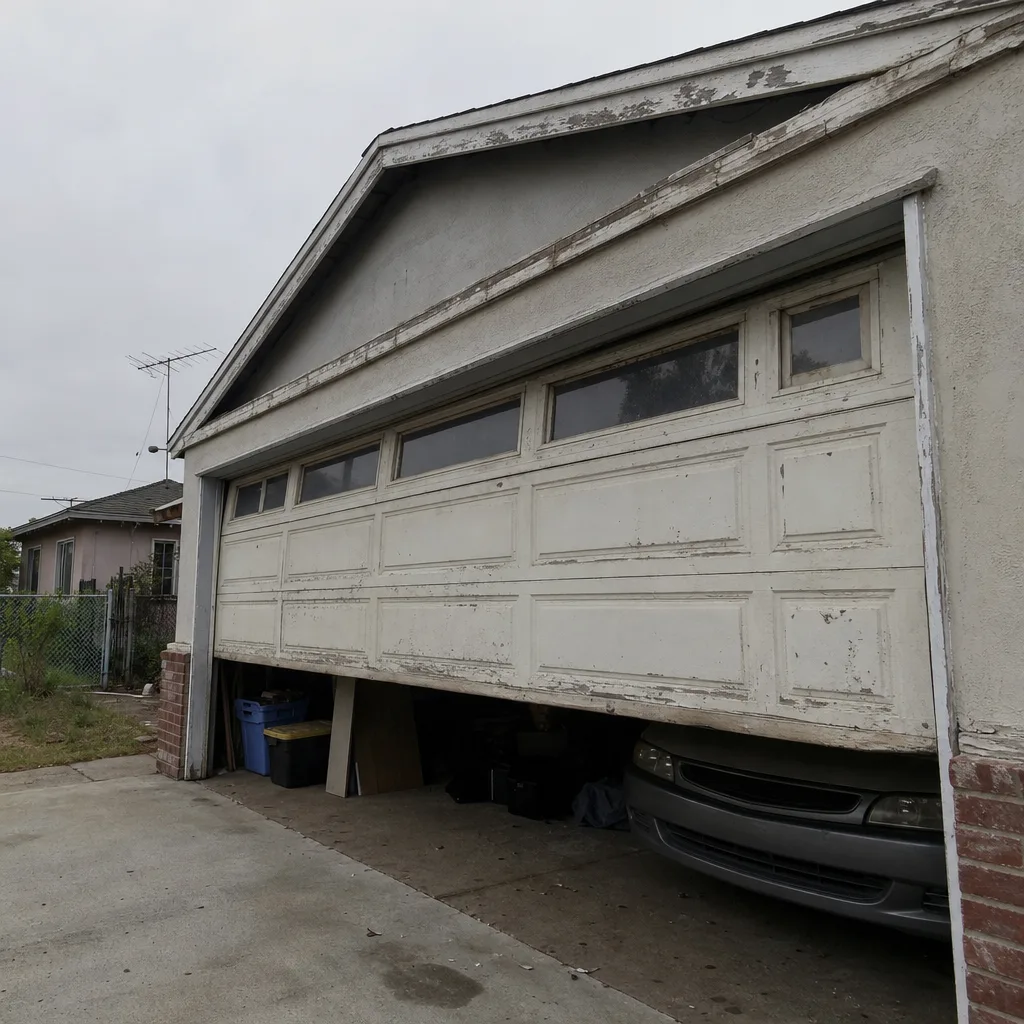 Before
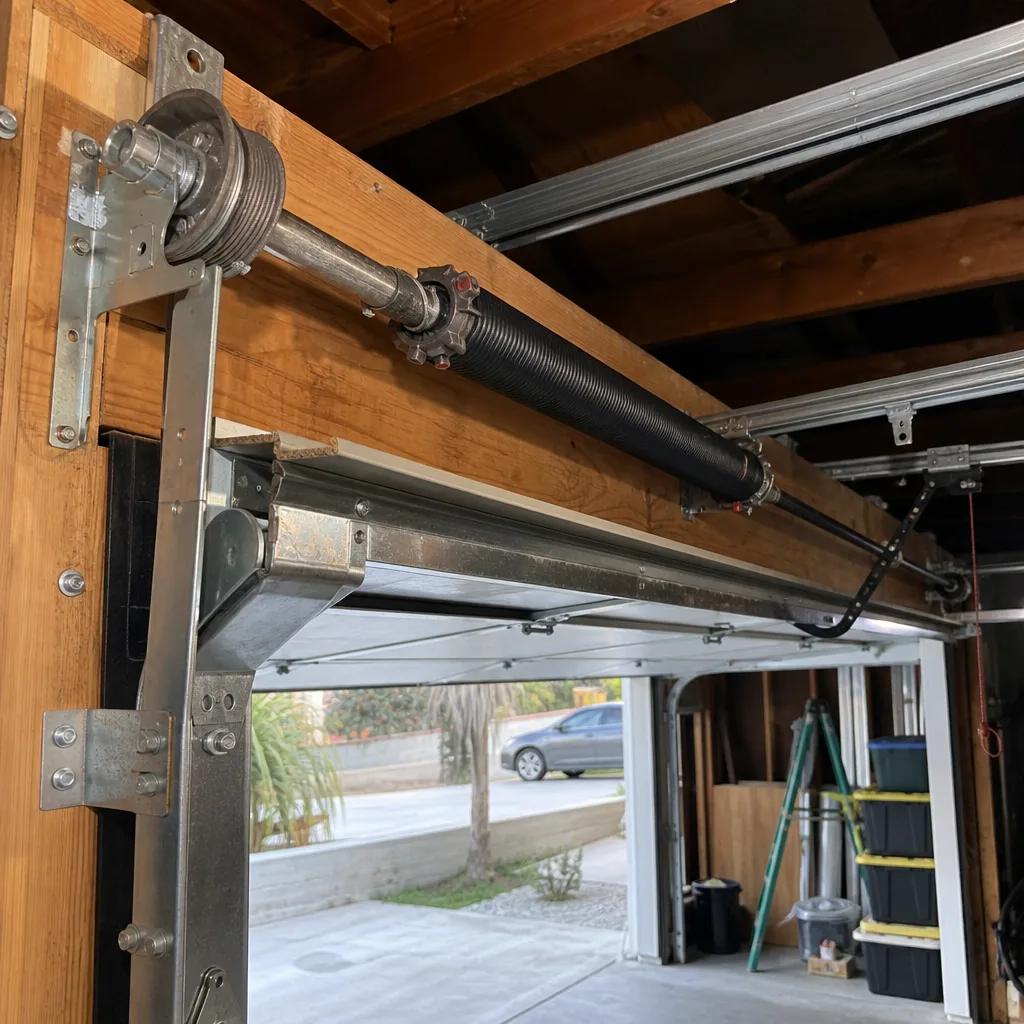 After
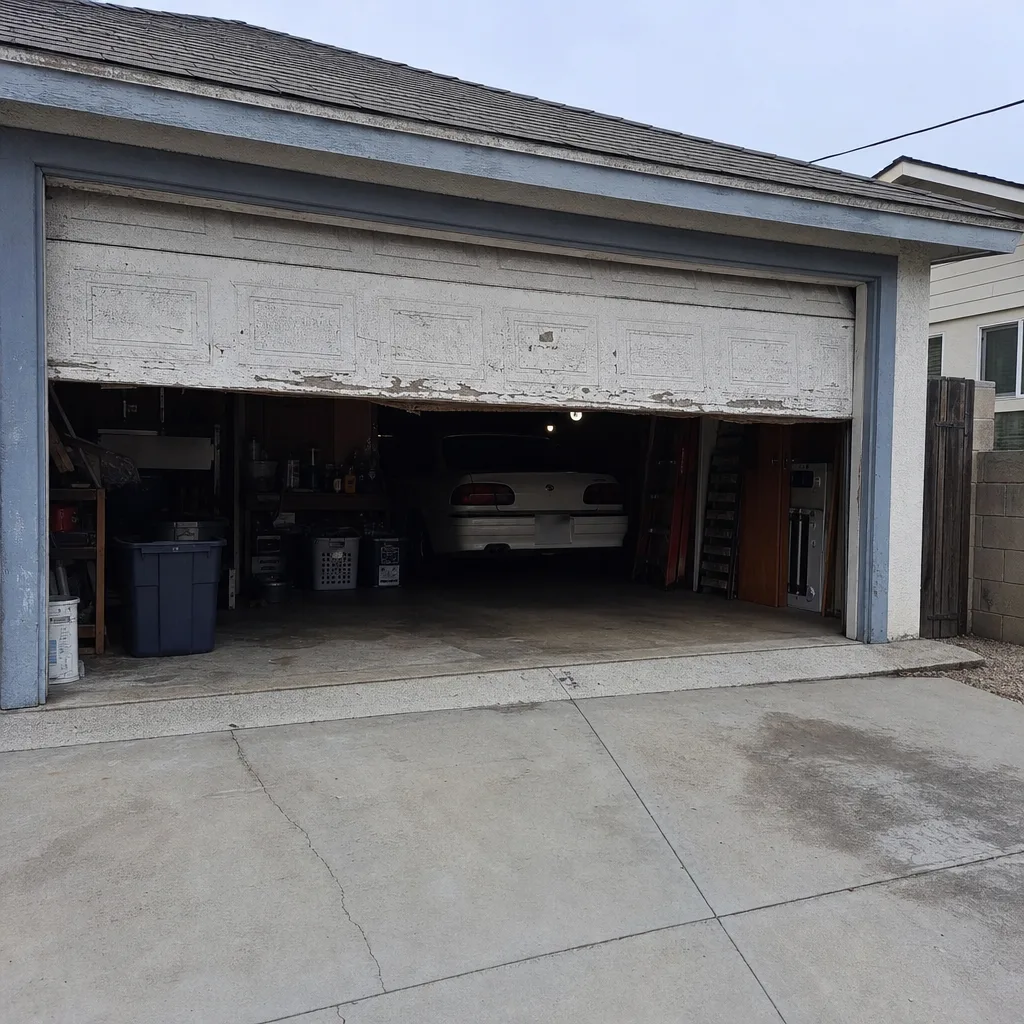 Before
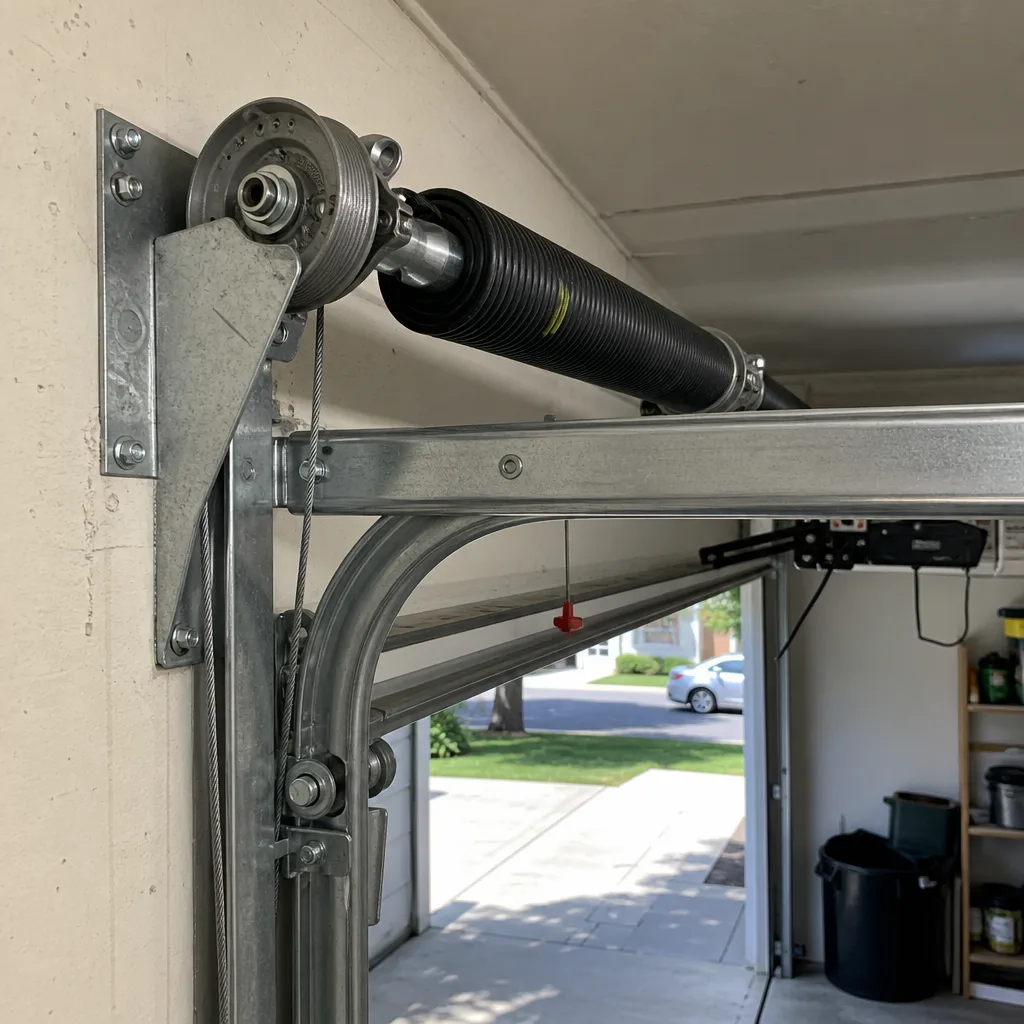 After
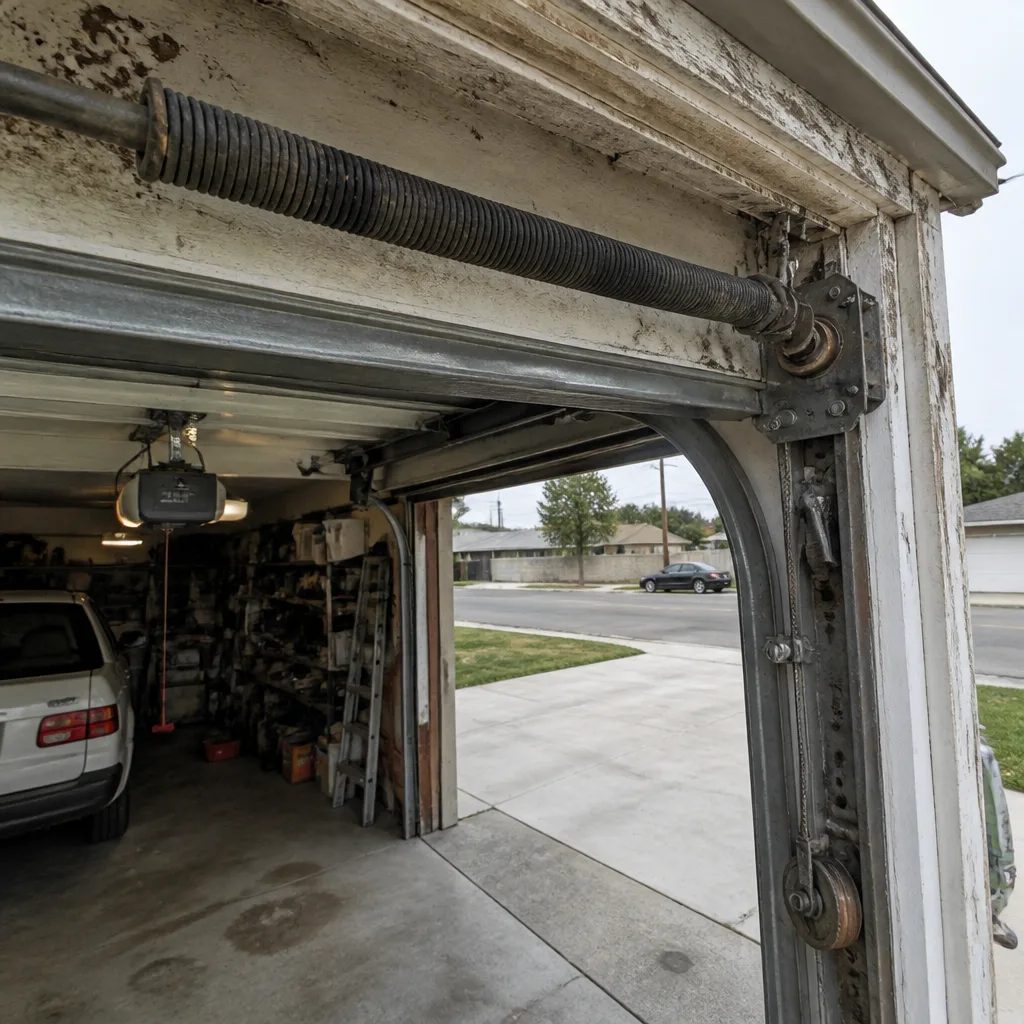 Before
 After