
Last updated October 31, 2026
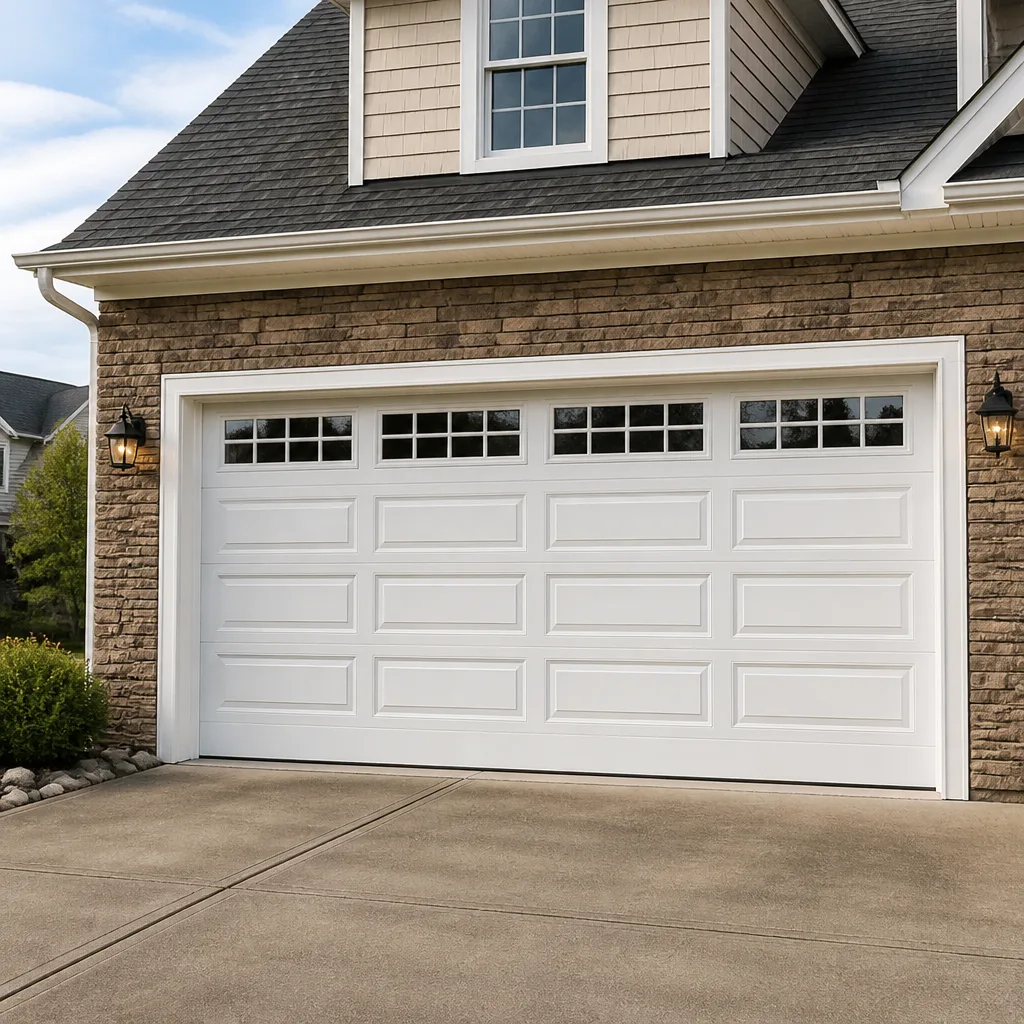 Raised-panel steel
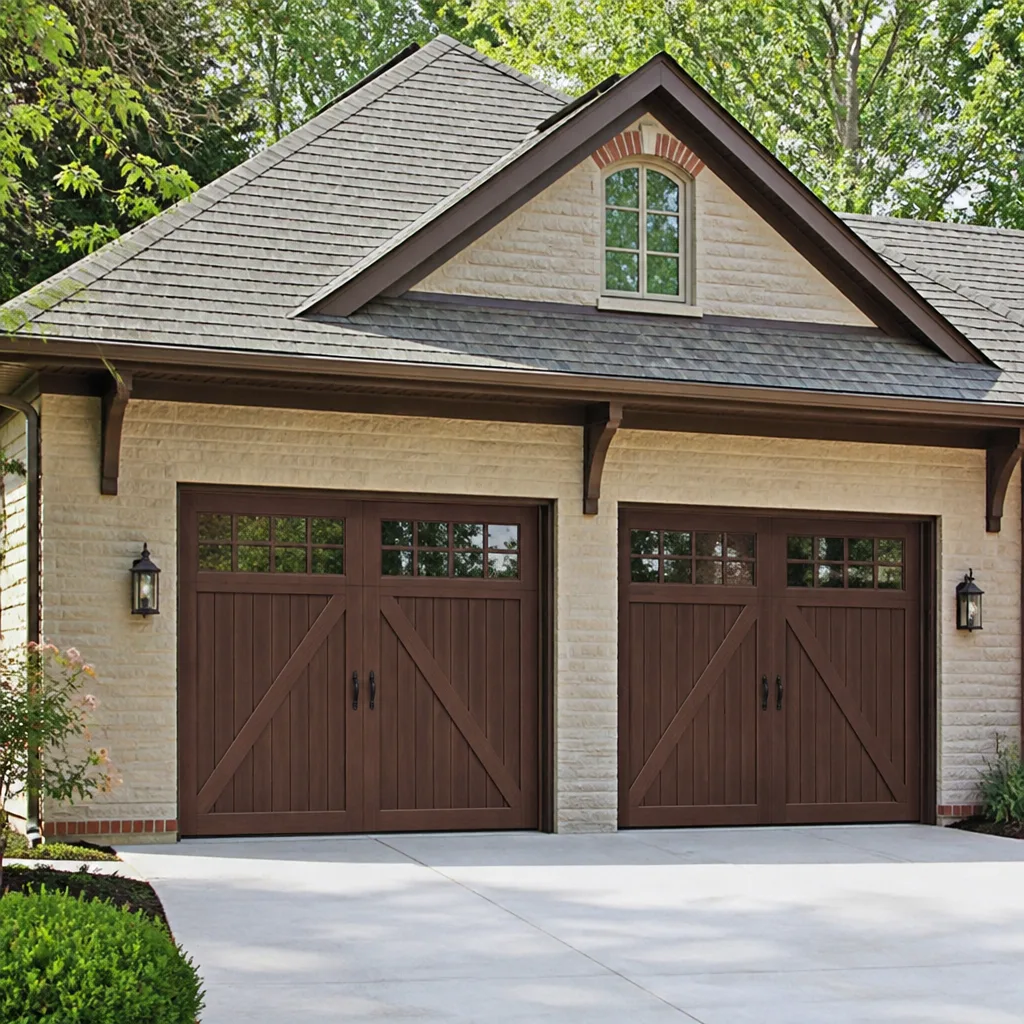 Carriage house
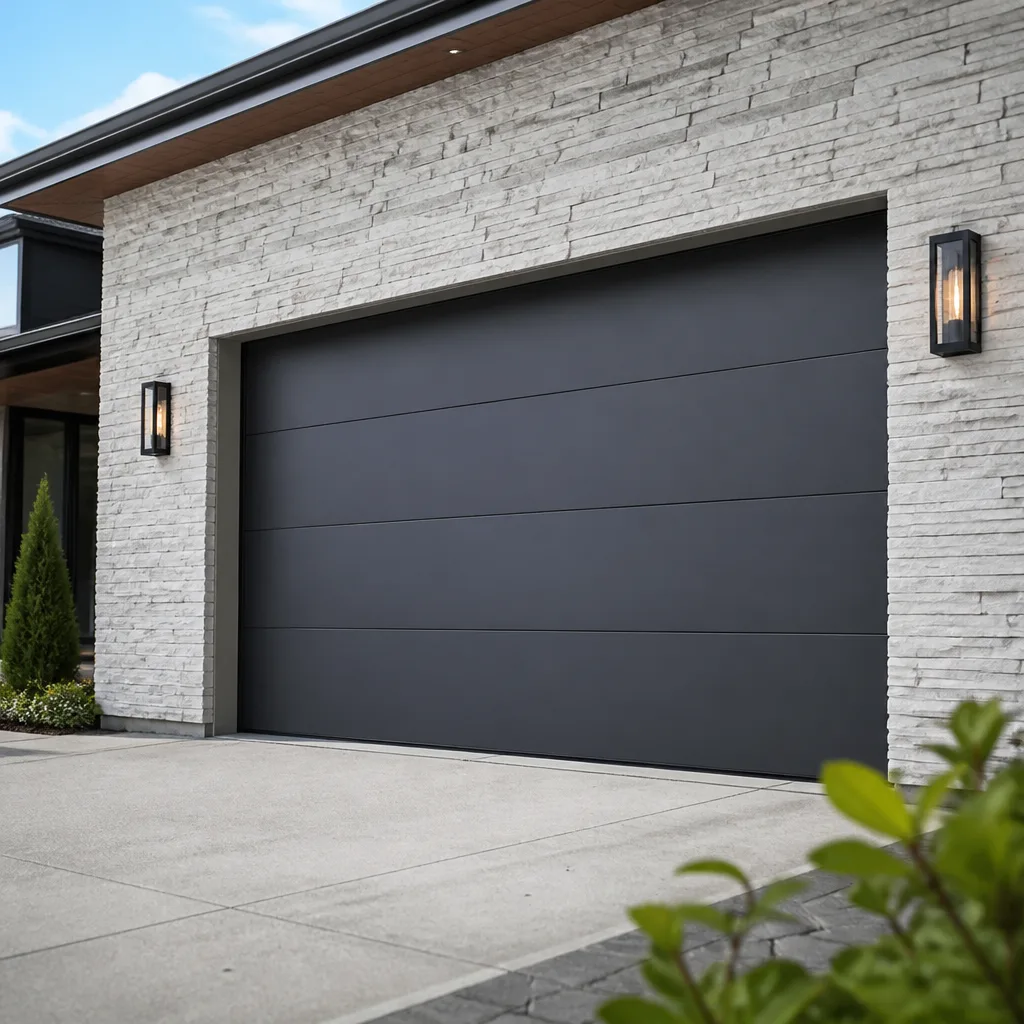 Modern flush
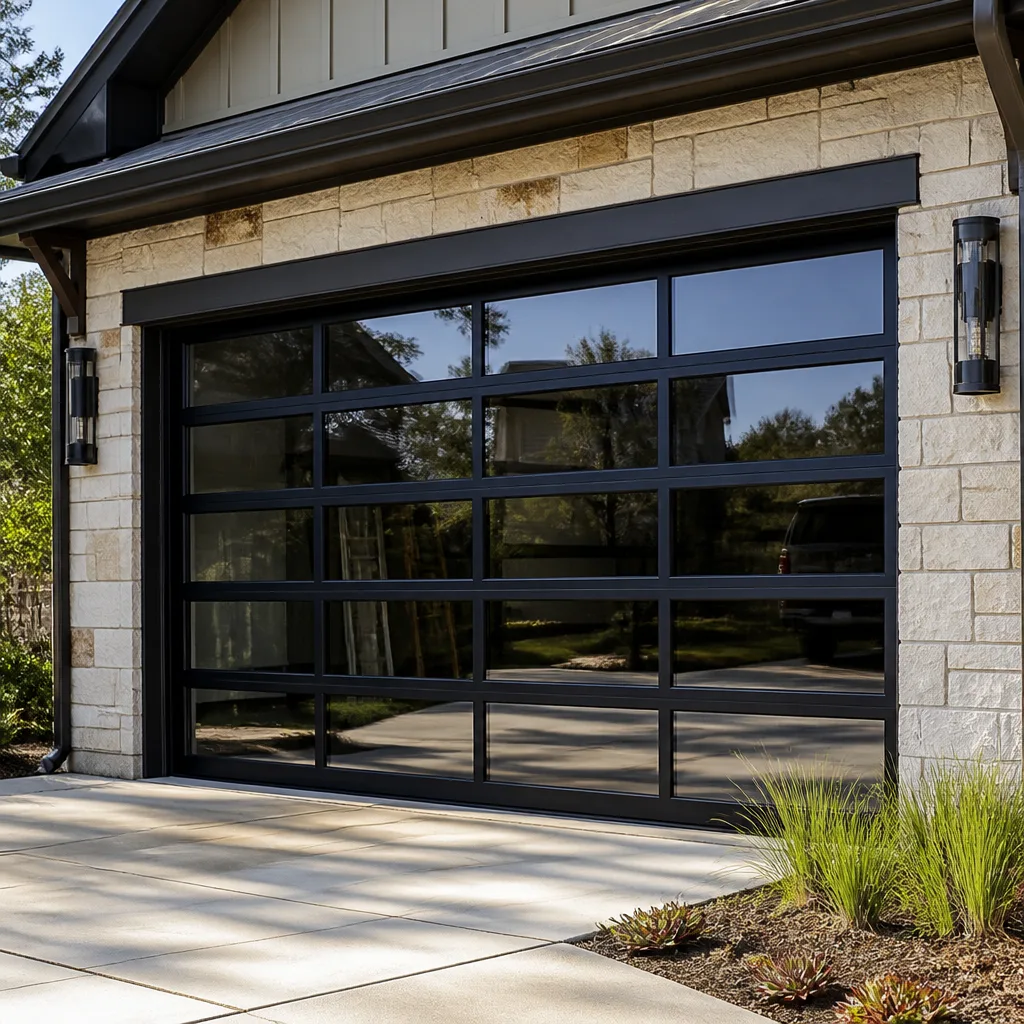 Full-view glass
 LiftMaster openers
 Chamberlain openers
Full 25-point door and opener safety check with every visit - springs, cables, rollers, tracks, and your LiftMaster or Chamberlain opener included
You get a price before we start. It does not change when the truck arrives.
Get your free estimateSeasonal Garage Door Care for Long Beach: Year-Round Homeowner’s Guide
The marine layer that rolls into Long Beach every May and June does more than mute the sun. It carries airborne salt and moisture that settles on the steel springs, roller bearings, and hinge plates above your car, and it stays there for weeks at a time. Homeowners in Long Beach who follow a generic “lubricate twice a year” checklist are often surprised when a torsion spring snaps in July, or a bottom seal peels away from the concrete in September. This guide breaks down what actually wears out garage doors in this city, month by month, and what to do about it before a minor issue becomes a same-day repair call. We’re Viking Garage Door Repair home to Long Beach, and we’ve built this around the four distinct stress patterns this city throws at garage doors: marine layer corrosion, Santa Ana wind events, summer heat on tension springs, and rain-season neglect in a city that barely sees rain.
Styles & brands we work with
Quick Answer
Seasonal garage door care in Long Beach means adjusting your maintenance around four local weather patterns rather than four calendar seasons: the May-through-July marine layer (corrosion and seal adhesion), late-summer heat (spring tension drift), September-through-November Santa Ana winds (panel bracing and track alignment), and the brief but real winter rain window (weatherstripping and threshold drainage). For a deeper dive, see The Complete Guide to Garage Door in Long Beach. The most important tasks are lubricating moving parts with a silicone-based lubricant during the marine layer months, inspecting weatherstripping before the first rain, and checking spring tension when summer heat peaks. Most homeowners can handle visual inspections and lubrication themselves, but spring adjustment, cable work, and track realignment are not DIY jobs.
Table of Contents
- The Marine Layer Window: What May Gray and June Gloom Do to Your Door
- Santa Ana Wind Season: Prepping Panels, Tracks, and Openers
- Summer Heat and Torsion Spring Tension: Why Your Door Feels Heavier in August
- Rain-Season Readiness in a Drought-Minded City
- The Long Beach 12-Month Garage Door Care Calendar
- Brand-Specific Seasonal Notes: Genie, Clopay, Amarr, Wayne Dalton
- What You Can Do Yourself vs. What Needs a Specialist
- Common Mistakes to Avoid
The Marine Layer Window: What May Gray and June Gloom Do to Your Door
From late spring through midsummer, Long Beach sits under a persistent low cloud deck that keeps temperatures in the 60s and 70s while pushing relative humidity above 80% for long stretches. That’s not just a comfort issue. The marine layer carries fine salt particles from the Pacific, and when that salt-laden moisture condenses on cooler metal surfaces overnight, it creates a thin saline film on everything exposed: torsion springs, extension spring pulleys, hinge pins, roller stems, and the steel track brackets bolted to the wall. Inland cities like Riverside or San Bernardino see dry heat; Long Beach sees a slow, weeks-long corrosion bath every single year.
What this means mechanically is more specific than “things rust.” In our experience working on doors across Long Beach, from Naples to Bixby Knolls, we see three problems concentrated in the May-to-July window.
Spring Surface Corrosion and Micro-Fractures
Torsion springs live under constant tension, and the oil-tempered steel they’re made from relies on a thin protective coating that wears with every cycle. When salt moisture sits on the spring coils, it accelerates pitting on the surface. Over time, those pits become stress risers. A spring that would have lasted 10,000 cycles in a dry climate might snap at 7,000 in Long Beach, and the failure often happens during the marine layer months when the metal is repeatedly cycling between moist and dry. You can’t prevent this entirely, but you can slow it: a light application of a corrosion-inhibiting lubricant designed for springs, wiped on with a cloth rather than sprayed liberally, extends spring life meaningfully. Never use WD-40 on springs; it displaces water but leaves no lasting film. Use a white lithium grease or a dedicated garage door spring lubricant.
Roller Bearing Degradation
Steel rollers with unsealed bearings are the most vulnerable component on any Long Beach garage door. The salt moisture works its way into the ball bearings, breaks down whatever factory grease exists, and produces a grinding sound that gets louder with each cycle. Homeowners in the Park Estates and Los Altos neighborhoods hear this all the time in June: a door that was nearly silent in March suddenly sounds like it’s dragging gravel. The fix is replacing steel rollers with nylon rollers that have sealed bearings, which cost roughly $10 to $20 per roller installed and effectively eliminate the marine layer corrosion problem for the lifetime of the roller. It’s one of the highest-return upgrades a coastal homeowner can make.
Bottom Seal Adhesion Failure
The rubber bottom seal (also called an astragal) is pressed against the garage floor by a U-shaped aluminum retainer that screws to the bottom of the door panel. In dry months, the seal holds fine. During May Gray and June Gloom, moisture wicks up between the rubber and the concrete, and the constant humidity softens the rubber’s grip. Then the door opens, the seal flexes, and if the retainer has any looseness at all, the seal pulls free at the corner. We’ve seen seals peel entirely off a door in one month during a particularly damp June. The check is simple: before May, run your hand along the bottom of the closed door from inside and out. If the seal is loose at either corner, or if you can slide a flathead screwdriver under it with no resistance, it’s time for a replacement before the marine layer peaks.
If you’re not sure whether your rollers, springs, or seal are showing early signs of coastal wear, that’s exactly what we diagnose on a standard service call. Our team has done more garage door repair in Long Beach tied to marine layer corrosion than any other seasonal factor.
Santa Ana Wind Season: Prepping Panels, Tracks, and Openers
Every September through November, Long Beach gets hit with Santa Ana wind events where gusts push 30 to 50 mph out of the northeast. The garage door is the largest moving exterior surface on most homes, and when a wind gust hits a closed overhead door, it can exert hundreds of pounds of lateral force across the panels. That force doesn’t just push the door inward. It flexes the panels, torques the track brackets, and in weak spots can actually bend the horizontal track or pull lag screws out of the wall framing. For doors that get daily use, and especially for older doors on exposed streets like those up toward Signal Hill or along Ocean Boulevard, wind damage is a slow-accumulation problem that becomes obvious the day the door suddenly binds midway up.
What to Check Before Wind Season
- Track bracket tightness: Every vertical and horizontal track bracket bolts into the wall with lag screws. Wind pressure rocks the tracks repeatedly during gusts. Over the course of one wind season, those lag screws can back out enough to let the track shift an eighth of an inch, which is enough to make the rollers bind. Check all brackets with a socket wrench in early September. If any lag screw spins freely instead of tightening, the anchor hole is stripped and needs a larger screw or a repair plate.
- Panel-to-stile connection: The panels of your door are attached to steel stiles (the vertical framing pieces) with fasteners that also loosen under repeated flex. A rattling door on a windy day is the symptom. Check the fasteners along the top and bottom of each panel from inside the garage. Tighten any that have backed out.
- Opener force settings and reinforcement: When wind pushes against a closed door, the opener’s chain or belt is not under load. But when the wind gusts while the door is closing, the opener motor works against both the door’s weight and the wind load. If the opener’s force sensitivity is set too low, gusts can cause the safety reverse to trigger mid-cycle, leaving the door half open in a windstorm. If it’s set too high, the opener grinds through the wind load and strains the motor and gear. Have the force settings checked, and if your opener predates automatic force adjustment, pay attention to whether the door hesitates or reverses on windy days.
- Bottom seal tear check: Small tears in the bottom seal become bigger tears when wind whips through the gap between the door and the concrete. A one-inch tear turns into a six-inch peel in a single strong gust. Replace any torn seal before October.
Doors with weaker panel construction, especially older steel doors from national home-builder packages, flex more under wind load than newer insulated doors. Every Amarr and Clopay door we’ve installed in Long Beach uses stiffer panel profiles designed to resist the kind of flex we see during Santa Ana events. If your current door visibly bows inward when the wind kicks up, that’s a structural limitation, not just a maintenance issue, and reinforcing the stiles often isn’t enough. That’s a conversation worth having before wind season, not after a panel cracks.
Summer Heat and Torsion Spring Tension: Why Your Door Feels Heavier in August
Long Beach doesn’t get the triple-digit heat of the Inland Empire, but August in this city still means daytime highs in the mid-80s to low 90s, and more importantly, a garage interior that bakes. Depending on sun exposure and insulation, the air inside an attached garage can hit 110 to 120 degrees on an August afternoon. That heat changes the metallurgical behavior of your torsion spring system in a way that most homeowners misunderstand.
Steel springs don’t stretch in the way people assume; they store and release energy through torsion, and that energy response shifts slightly as the spring metal heats up. A spring that was calibrated in March, when the garage was 65 degrees, behaves differently when the spring itself is 110 degrees in August. The practical result is that a door balanced perfectly in spring can feel noticeably heavier to lift by midsummer, because the spring’s effective tension has dropped a small but real amount. Most people don’t notice the gradual change until the opener starts working harder, or they try to lift the door manually and find it heavier than they remember.
This heat effect is more pronounced on older springs and on doors that face west or southwest, where afternoon sun beats on the exterior face. Homeowners in neighborhoods like Lakewood Village or the Wrigley area tell us the same story every August: the door was fine in April, and now the opener struggles. The first thing we do is check the spring tension against the door’s actual weight with a cycle test, and in most cases, a half-turn or full-turn adjustment restores proper balance. That’s a job a homeowner should not attempt. Torsion springs are dangerous under even partial tension, and the adjustment cones require specialized winding bars and a specific procedure. We flag this every time because it’s the single most common serious injury associated with garage doors nationwide. For a full rundown of what to tackle yourself and when to call a pro, read The Complete Garage Door Repair Guide for Long Beach Homeowners.
Beyond the spring itself, August heat accelerates the breakdown of petroleum-based lubricants. If you lubricated hinges and rollers in spring with a cheap spray grease, by August it has thinned out and dripped off, leaving the metal dry. This is why we recommend a silicone-based dry lubricant for hinges and rollers; it doesn’t melt or drip in garage heat, and it doesn’t attract the dust that a heavy grease collects.
If your door feels heavy, call a specialist. We handle garage door opener repair in Long Beach as well as spring recalibration, because when an opener has been compensating for a poorly balanced door all summer, the gear and sprocket inside the opener are often near the end of their life too.
Rain-Season Readiness in a Drought-Minded City
Long Beach averages about 12 inches of rain per year, and most of it falls between December and March. That’s a fraction of what Portland or Seattle gets, which is exactly why Long Beach homeowners neglect rain-related garage door maintenance until water is already pooling on the garage floor. The metro area has adapted to drought conditions; water conservation is baked into daily life. But the garage door doesn’t adapt. When the first atmospheric river dumps two inches in 24 hours, a bottom seal with a half-inch gap or a cracked jamb seal lets water in fast, and the damage to stored boxes, tools, or that stack of holiday decorations is immediate and avoidable.
What Actually Fails in Long Beach Rain
- Bottom seal compression loss: Rubber seals compress permanently over time. A seal that met the concrete flush five years ago now has a 1/8-inch gap along part of its width, and in a driving rain with wind behind it, water flows through that gap. Check by closing the door and looking for any visible daylight along the bottom from inside the garage. If you see light, water gets in.
- Side and top weatherstripping shrinkage: The vinyl or rubber strips along the door jambs shrink and crack in dry heat, which Long Beach gets plenty of from September through November. By December, those shrunken seals leave gaps at the corners where wind-driven rain enters. Replace any weatherstripping with visible cracks or gaps wider than an eighth of an inch.
- Threshold failure: Many Long Beach garages don’t have a raised concrete lip at the entrance, or the lip has spalled and eroded over decades. If the garage floor slopes toward the house, or if the threshold is cracked, water will pool against the door and find its way under even a good bottom seal. A rubber threshold seal glued to the concrete is a simple, effective fix that takes an afternoon and costs under $100.
- Track and roller wash-down: When rain does hit, any accumulated salt dust from the marine layer months gets washed down the vertical tracks and into the track junction at the curve. That gritty slurry wears rollers and can cause subtle grinding. Wipe down the accessible sections of track after heavy storms.
The timing that catches people is this: September through November is dry in Long Beach, so nobody thinks about rain gear. Then December arrives, the first real storm comes in off the Pacific, and suddenly every home with a worn seal has water inside by morning. The Santa Ana wind season and the rain season overlap at the end of the year, which is why we recommend doing the full weatherstripping and threshold inspection in October, after the worst wind risk but before the first rain. It’s a simple task with a clear payoff: a dry garage floor all winter.
The Long Beach 12-Month Garage Door Care Calendar
Every city has a different maintenance rhythm for garage doors. Generic national guides say “check your door in spring and fall,” but Long Beach’s actual weather pattern demands a different schedule. Here’s the month-by-month breakdown we recommend based on the specific climate stress this city produces. For more guides & resources tailored to coastal homeowners, visit our blog.
January: Post-Storm Inspection
- After any heavy rain, inspect the inside floor edge of the garage for water intrusion. Check stored items at floor level for moisture damage.
- Wipe down the interior door panels and tracks with a dry cloth to remove salt residue from rain splash.
- Listen to the door through a full open-close cycle. January grinding often means marine layer salt accumulated in bearings during the previous summer and rain accelerated the damage.
February: Roller and Hinge Evaluation
- Inspect all rollers visually. Look for flat spots, wobble, or visible rust on the stems.
- Test each hinge by wiggling it with the door closed. Hinges should not move independently of the panel.
- If any roller or hinge replacement is needed, February is the low-urgency window before marine layer moisture returns in force.
March: Pre-Marine Layer Lubrication
- Apply a silicone-based dry lubricant to all hinges, roller stems, and the spring coils. Wipe off excess.
- Apply a dedicated spring lubricant to torsion or extension springs using a cloth, not a spray directly onto the coils.
- Check bottom seal integrity now. Once the marine layer arrives, a failing seal degrades faster.
April: Opener Load Test and Safety Reversal Check
- Disconnect the opener and lift the door manually. It should stay at the halfway point without drifting up or down. If it falls, the spring is under-tensioned.
- Test the opener’s auto-reverse safety feature with a block of wood placed in the door’s path. The door should reverse within two seconds of contact.
- Check the opener’s force settings if the door hesitates or reverses unexpectedly during normal operation.
May: Marine Layer Monitoring Begins
- Note the first week of consistent morning fog and overcast. From this point, corrosion accelerates on all exposed metal.
- Look for white powdery deposits on springs and hinges; that’s salt crystalizing as moisture evaporates. Wipe it off with a dry cloth.
- Listen for increased noise in the door’s operation. Marine layer humidity is the most common trigger for new grinding sounds in Long Beach.
June: Peak Humidity Inspection
- This is the heaviest marine layer month. Inspect the bottom seal for corner pull-away; June is when we see the most seal adhesion failures.
- Check the torsion spring for new surface pitting or discoloration. Early corrosion appears as small dark spots on the coil surface.
- If the door is noticeably louder than it was in March, schedule a service call. The bearings are likely taking on moisture and losing lubrication.
July: Mid-Summer Balance Check
- With garage temperatures peaking, test manual balance again. Doors that were fine in March often feel heavier by July due to heat-induced tension shift.
- Check that the door opens completely and that the panels move smoothly through the curve of the track.
- Inspect the opener’s belt or chain for wear. Heat softens rubber belts; a belt that looks polished or shows cracking at the edges is nearing failure.
August: Heat Stress Evaluation
- This is the month that reveals spring fatigue. If the opener labors or the door is heavier than in April, call for a spring tension evaluation.
- Check all nuts and bolts on track brackets and hinges; heat expansion and contraction loosen fasteners over the summer.
- Inspect the door’s exterior finish for heat-related cracking, especially on west-facing doors.
September: Pre-Santa Ana Track and Bracket Tightening
- Tighten every lag screw on every track bracket. Use a socket wrench; loose screws are the top pre-wind-season issue we find.
- Check the horizontal track alignment. A track that has shifted even slightly will bind under wind load.
- Inspect the emergency release cord and mechanism. During a wind-caused power outage, you need this to work smoothly.
October: Peak Wind Season Preparation
- This is the highest-risk month for Santa Ana wind damage. Verify that door panels don’t flex excessively when you press on them from outside.
- Check weatherstripping on the sides and top. This is the month to schedule replacements before rain season starts.
- If your door is older than 15 years and flexes visibly under hand pressure, consider a structural evaluation before the wind does the damage for you.
November: Rain-Season Gear Installation
- Install or replace the threshold seal if water pools at the garage entrance during rain.
- Final weatherstripping inspection. Any gap wider than an eighth of an inch needs attention before December storms.
- Clean out the track channels. Remove accumulated salt dust and debris from the marine layer months.
December: Winter Storm Readiness
- After the first heavy rain, inspect the garage floor for standing water. Mark any wet spots with chalk to track whether they return.
- Run the door through a full cycle and listen for changes. Water intrusion can cause immediate bearing noise in rollers that were fine a month earlier.
- Check the door’s interior face for condensation. In Long Beach’s winter damp, condensation on an uninsulated steel door can drip onto stored items.
Brand-Specific Seasonal Notes: Genie, Clopay, Amarr, Wayne Dalton
One of the reasons we maintain factory-level familiarity with the major garage door and opener brands is that seasonal maintenance isn’t identical across manufacturers. Different brands use different seal geometry, different spring designs, and different material gauges. Here’s what Long Beach’s climate does to four brands we service frequently.
Genie Openers and Marine Layer Corrosion
Genie openers are workhorses, and many Long Beach homes still run a Genie belt or screw drive from the 2000s or earlier. The marine layer era is when we see the most Genie-specific issues: the exposed limit switch contacts and the screw drive rail on older models both corrode in high-humidity conditions. Homeowners with a Genie opener should listen for a change in drive noise in June and July. A screw-drive Genie that suddenly sounds rougher is usually fighting corrosion on the rail rather than a mechanical failure, and a rail re-grease with the correct lubricant often brings it back to quiet operation. The safety sensors, which sit low near the floor on both sides of the door, also collect salt film during marine layer months. A quick wipe-down of the sensor lenses in May and June prevents phantom “sensor blocked” errors.
Clopay Doors and Bottom Seal Systems
Clopay builds doors with a variety of seal profiles depending on the line, and the aluminum retainer used on many of their residential doors is stouter than what you find on builder-grade doors. That’s good for Long Beach. But the Clopay seal itself, like all rubber seals, still loses compression after years of dry-season heat. We replace Clopay seals every fall for homeowners who want to avoid the December rain leak. The Clopay-specific note: if you’re replacing the seal, make sure you’re getting the right profile for your specific door model. A universal seal from a big-box store doesn’t seat properly in a Clopay retainer, and that’s how we see doors with a brand-new seal that still leaks at the corners.
Amarr Panels and Santa Ana Wind Flex
Amarr builds the Hercules and Olympus lines, among others, and their steel panels use thicker gauges and deeper profile reinforcement than typical residential doors. In our experience, Amarr doors handle Santa Ana wind flex better than most, and they’re a common choice for homes in the more exposed parts of Long Beach, particularly up on the bluffs or along the eastern edge near Signal Hill. The maintenance focus for Amarr doors in wind season is less about panel flex and more about keeping the reinforcement struts, which Amarr uses on wider doors, properly fastened to the interior face. Over time, the self-tapping screws that hold struts to panels can loosen, and wind pressure finishes the job. A simple check with a screwdriver in September prevents a strut from rattling loose during a November gust event.
Wayne Dalton Doors and Torsion Systems
Wayne Dalton uses a different torsion spring design than most other brands, with the springs mounted inside a tube rather than exposed on a solid shaft. That’s a smarter design for coastal corrosion because the springs are partially protected from direct salt moisture. But it also means the seasonal maintenance looks different. A homeowner in Long Beach with a Wayne Dalton door won’t see the spring pitting that they’d see on an exposed torsion system, but the lubrication points are also less accessible, and the internal components can still corrode from condensation that accumulates inside the tube during marine layer months. If a Wayne Dalton door starts feeling heavier or making a new sound in July, the issue is often inside the torque tube, and the diagnosis requires removing the tube end caps, which is not a homeowner-friendly job. The maintenance routine that works for most Wayne Dalton doors in this climate is annual lubrication of the end bearings and a tension check each summer before heat stress becomes an issue.
These are the kinds of brand-specific details that only matter if the person holding the wrench has worked on that exact system before. It’s the difference between a fix that lasts and one that needs a follow-up call in three months. Our team is trained specifically on all four of these brands, plus LiftMaster, Chamberlain, Craftsman, and Raynor equipment, so seasonal maintenance calls in Long Beach are straightforward for us, regardless of what’s on the door.
What You Can Do Yourself vs. What Needs a Specialist
A lot of seasonal garage door care is genuinely within a homeowner’s reach, and being clear about where the line is will save you money and prevent injury. Here’s the honest breakdown, including the safety caveat we never skip.
Safe for a Careful Homeowner
- Visual inspection of all accessible hardware: brackets, tracks, hinges, rollers, cables
- Lubricating hinges, roller stems, and springs with the correct products (never oil a spring; use a spring lubricant applied with a cloth)
- Wiping down safety sensor lenses and cleaning track channels of loose debris
- Checking the bottom seal for gaps, tears, or corner pull-away and replacing the seal if the retainer is undamaged
- Testing the manual balance by disconnecting the opener and lifting the door
- Testing the auto-reverse safety function with a block of wood
- Tightening visible bracket screws with a socket wrench
- Installing a glue-down rubber threshold seal on the garage floor
Not Safe: Never DIY These
- Torsion spring repair or adjustment: Torsion springs are under thousands of pounds of tension. When one lets go, the unwinding force is enough to cause catastrophic injury. This is the one job on a garage door that statistically injures homeowners who attempt it themselves. We say this every time because it’s true every time: do not touch a torsion spring unless you are a trained professional with the correct winding bars, and even then, it’s a two-person job with proper safety gear.
- Cable replacement or re-threading: Lift cables run alongside the springs and carry the full weight of the door when it’s operating. A snapped cable can whip with enough force to sever fingers or worse. Cable work involves de-tensioning the spring system, which is the same dangerous procedure as spring work.
- Track realignment: If the tracks are out of alignment, the door can derail during operation. A derailed door weighs hundreds of pounds and can fall. Realignment requires specialized tools and lift access.
- Opener internal repair: Openers contain capacitors that hold a charge even when unplugged, and the gear and sprocket assembly is under load. Internal opener work is a shock and crush hazard if done incorrectly.
The rule we give Long Beach homeowners is simple: if you’re inspecting, lubricating, cleaning, or tightening something that’s already accessible and not under active tension, go ahead. If you’re adjusting, removing, re-tensioning, or realigning, stop. Call someone who does this every day. The cost of a service call is always less than the cost of an injury or a worse repair.
When you need a specialist, we make the call easy. Whether it’s seasonal maintenance, a diagnosis on a noisy door, or a full replacement, we offer garage door installation in Long Beach and repair with free estimates. The price is quoted and agreed before any work starts, so there are no surprises.
Common Mistakes to Avoid
- Using WD-40 on springs and hinges: WD-40 is a water displacer, not a lubricant. It will strip away whatever lubrication is present and leave the metal dry within days. In Long Beach’s marine layer months, that means more corrosion, not less. Use a silicone-based dry lubricant on hinges and rollers and a dedicated spring lube on springs.
- Waiting until you hear a problem to call: By the time a garage door is making an obvious new noise, the component causing the noise is usually already damaged. Bearings that grind have already lost their grease. Springs that pop have already developed surface cracks. The maintenance calendar above exists so you catch issues before they announce themselves.
- Assuming a heavy door just needs more opener force: When a door is hard to lift, the problem is almost always the spring system, not the opener. Cranking up the opener’s force setting to muscle through a poorly balanced door destroys the opener’s gear and causes a door that could have been fixed with a spring adjustment to need both a spring and an opener replacement.
- Ignoring the bottom seal because “Long Beach barely rains”: This is the most common rain-season mistake we see. The fact that rain is infrequent means the damage is concentrated into a few heavy events, and a worn seal that lets in water during one atmospheric river can soak everything stored on the garage floor. A $40 seal replacement in October prevents hundreds or thousands in damaged belongings in December.
- Lubricating without cleaning first: Applying fresh lubricant over a surface coated in salt dust, grit, and old, oxidized grease just creates an abrasive paste. Wipe down the part with a dry cloth or a mild degreaser first, then apply the lubricant. This is especially important in Long Beach after a dry Santa Ana period, when dust settles on everything.
- Attempting to “rebalance” the door by adjusting the springs at home: We mentioned this above and we’ll mention it again because it’s that important. Torsion and extension springs under tension are the most dangerous mechanical components in a typical home. There is no safe workaround, no YouTube trick, and no “careful enough” that makes this a homeowner job. Let a professional do it.
- Doing nothing at all because the door opens and closes: A garage door that cycles twice a day for a decade undergoes over 7,000 open-close operations. Minor wear compounds every single day. The homeowners who get the longest life from their doors are the ones who do small, consistent maintenance tasks, not the ones who wait for a functional failure.
When to Call a Professional
Some seasonal tasks are borrow-your-neighbor’s-ladder simple, and some require a truck full of tools and a decade of experience. You should call a garage door specialist in Long Beach when: the door feels heavier than it did a month ago; you hear a new grinding, popping, or scraping sound during operation; the door doesn’t stay in place when you disconnect the opener and lift it manually; you see a visible gap under the door with it closed; the door reverses mid-cycle without anything in the way; any cable looks frayed or is no longer taut; or the door visibly flexes during wind events. These are signs of mechanical issues that no amount of lubrication will fix.
Viking Garage Door Repair offers free estimates in Long Beach – call (855) 341-7943. We’ll diagnose the issue, quote the fix, and get the work done with no surprises on the invoice. Garage doors are the only thing we do, which means when we show up, we’re not figuring it out as we go. We’ve seen your door’s brand, your door’s age, and your door’s climate before, many times over.
Frequently Asked Questions
Twice a year, in March before the marine layer arrives and in September after the worst of the dry heat. If your garage faces the ocean or you notice white salt deposits on the metal, a third application in June helps. Use a silicone-based dry lubricant on hinges and rollers, and a dedicated spring lubricant applied with a cloth to the spring coils. Avoid WD-40 entirely. For a full seasonal checkup, call (855) 341-7943.
Because Long Beach’s marine layer pushes humidity above 80% during those months, and the salt moisture accelerates bearing wear and washes away lightweight lubricants. The squeak is metal-on-metal contact in the roller bearings or hinge pins. If it doesn’t stop after a proper re-lubrication, the bearings are likely already damaged and need replacing. Nylon rollers with sealed bearings fix this permanently.
Close the door and look along the bottom from inside the garage. If you can see daylight between the seal and the concrete anywhere along the width of the door, the seal is no longer compressing properly and will let water in during heavy rain. Also run your hand along the seal from outside; if it feels hard, cracked, or pulls away from the retainer at the corners, it’s time. Replace it in October, before the first storm.
Yes, and this is the damage Long Beach homeowners often miss. Gusts hitting a closed overhead door exert hundreds of pounds of lateral force, which flexes the panels, torques the track brackets, and can loosen lag screws over the course of one wind season. A door that’s older or that has panels with a shallow profile is at higher risk. The annual check is to tighten every track bracket in September and look for panel flex during October wind events.
The heat inside a closed garage can reach 110 to 120 degrees in August, and that changes how your torsion spring holds tension. Springs calibrated in March at 65 degrees lose effective tension when the spring itself is hot in August, making the door heavier and forcing the opener to work harder. The fix is a spring tension adjustment, not a new opener. It’s a professional job; call (855) 341-7943 for a free estimate.
How much does seasonal garage door maintenance cost in Long Beach?
A basic seasonal service call, including lubrication, hardware inspection, and minor adjustments, typically runs $100 to $180 in the Long Beach market. If the technician finds worn rollers or a failing seal that need replacement, parts add to the total. A full roller set with sealed bearings is commonly $80 to $160 installed. The price is always quoted and agreed before any work starts
See the difference
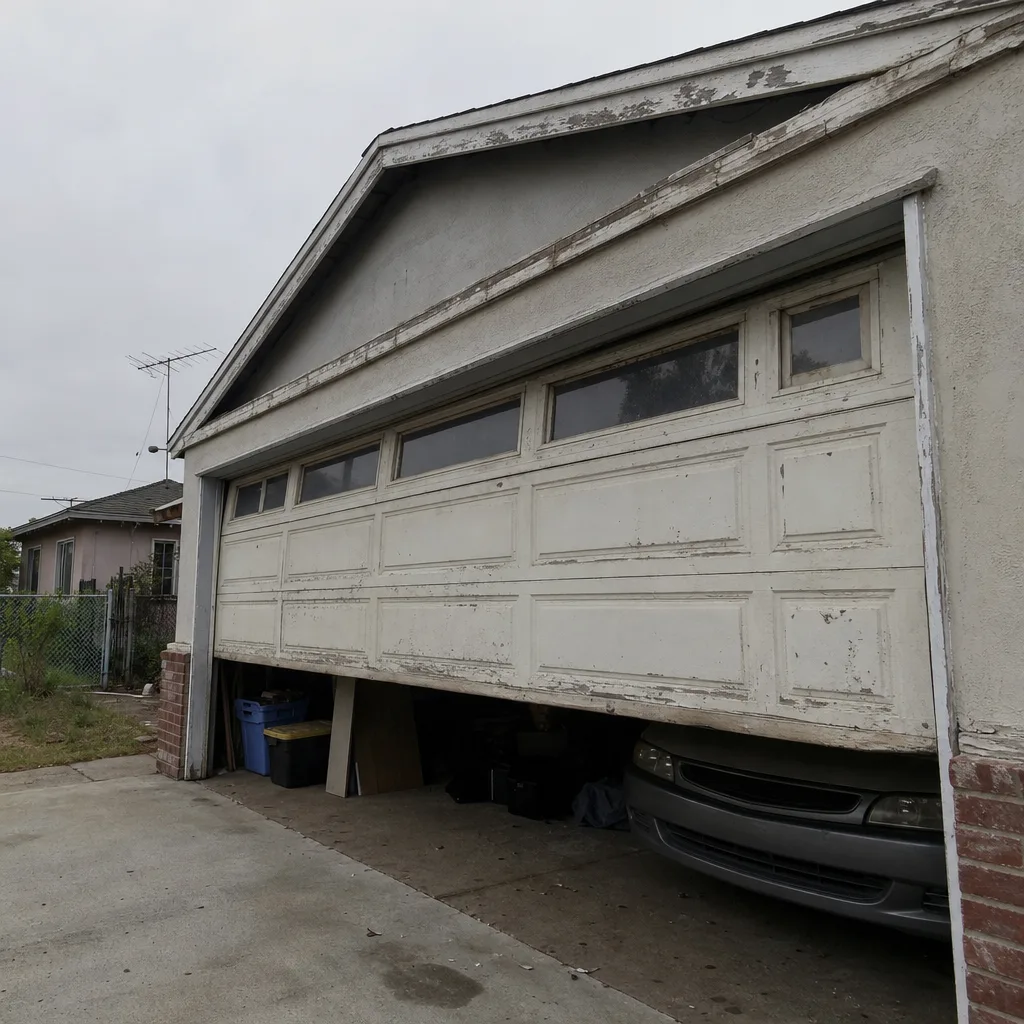 Before
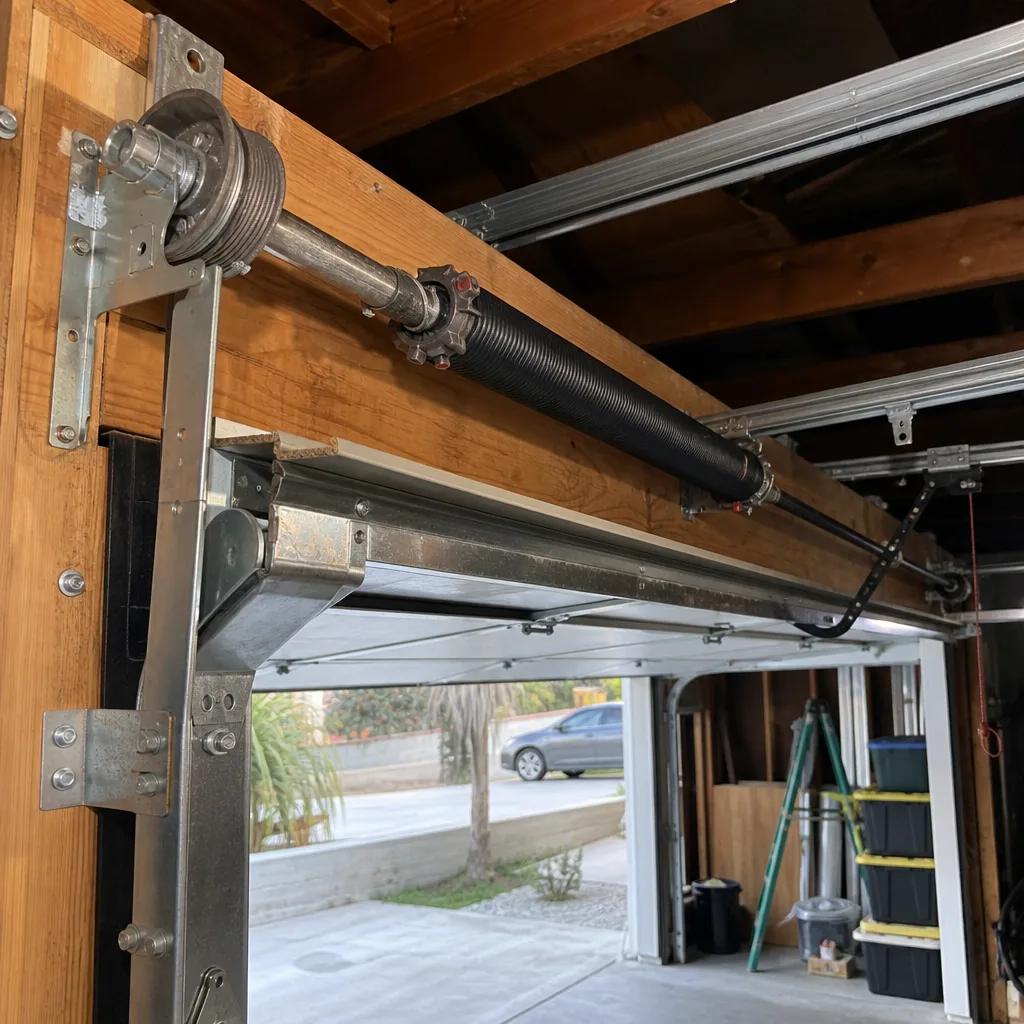 After
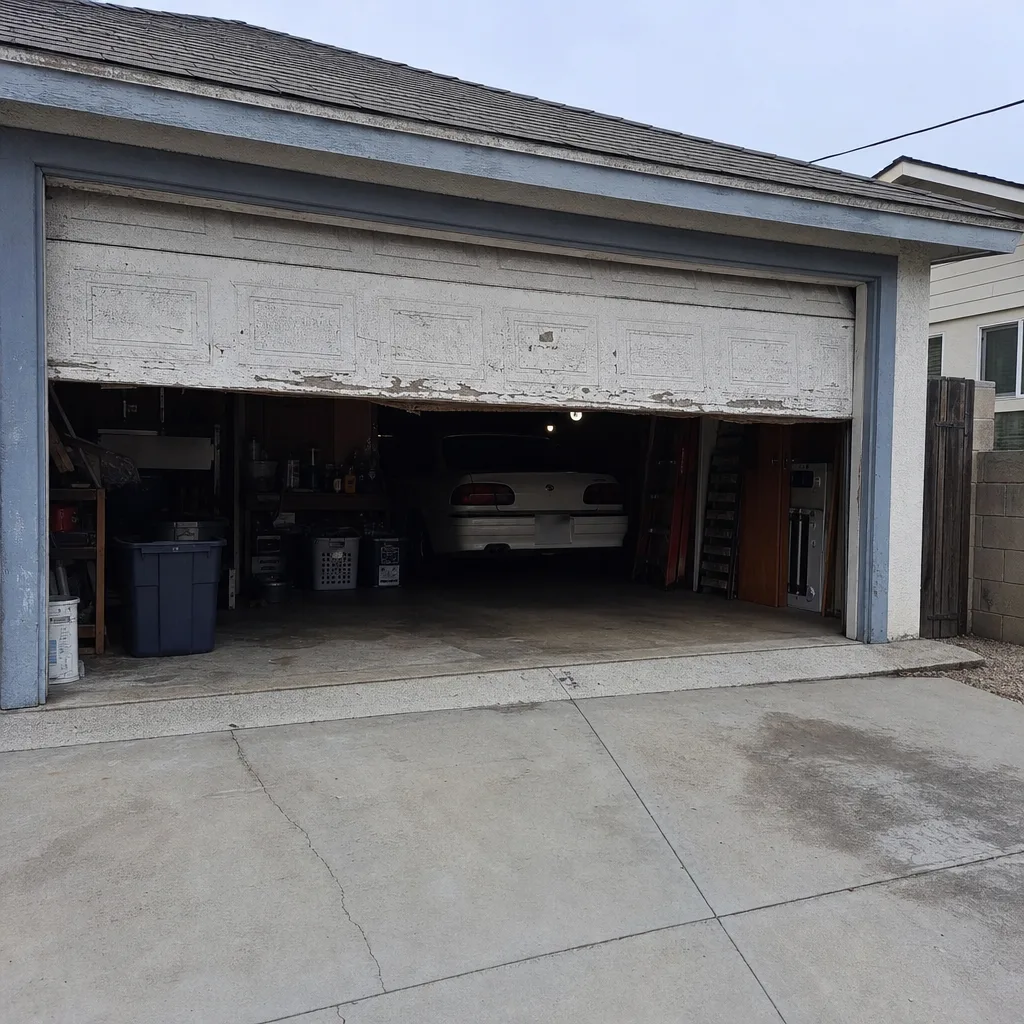 Before
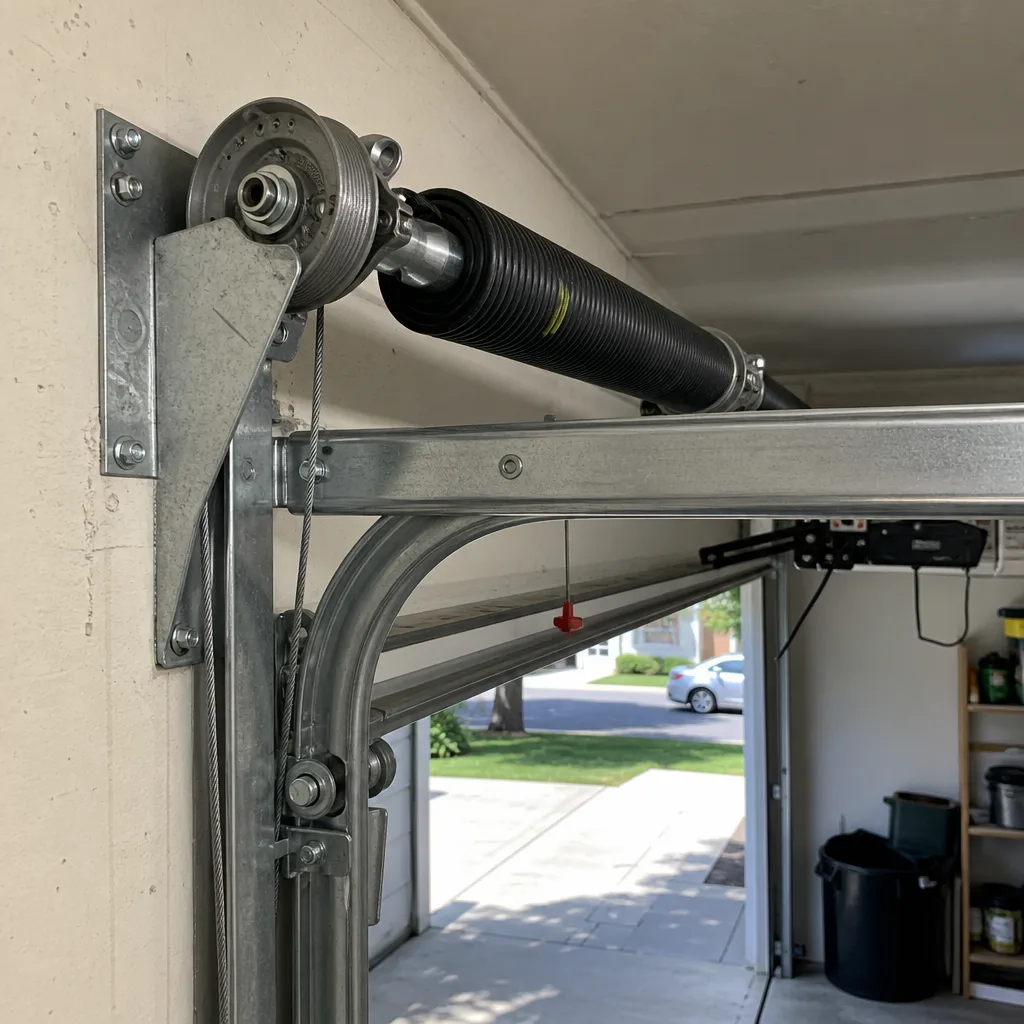 After
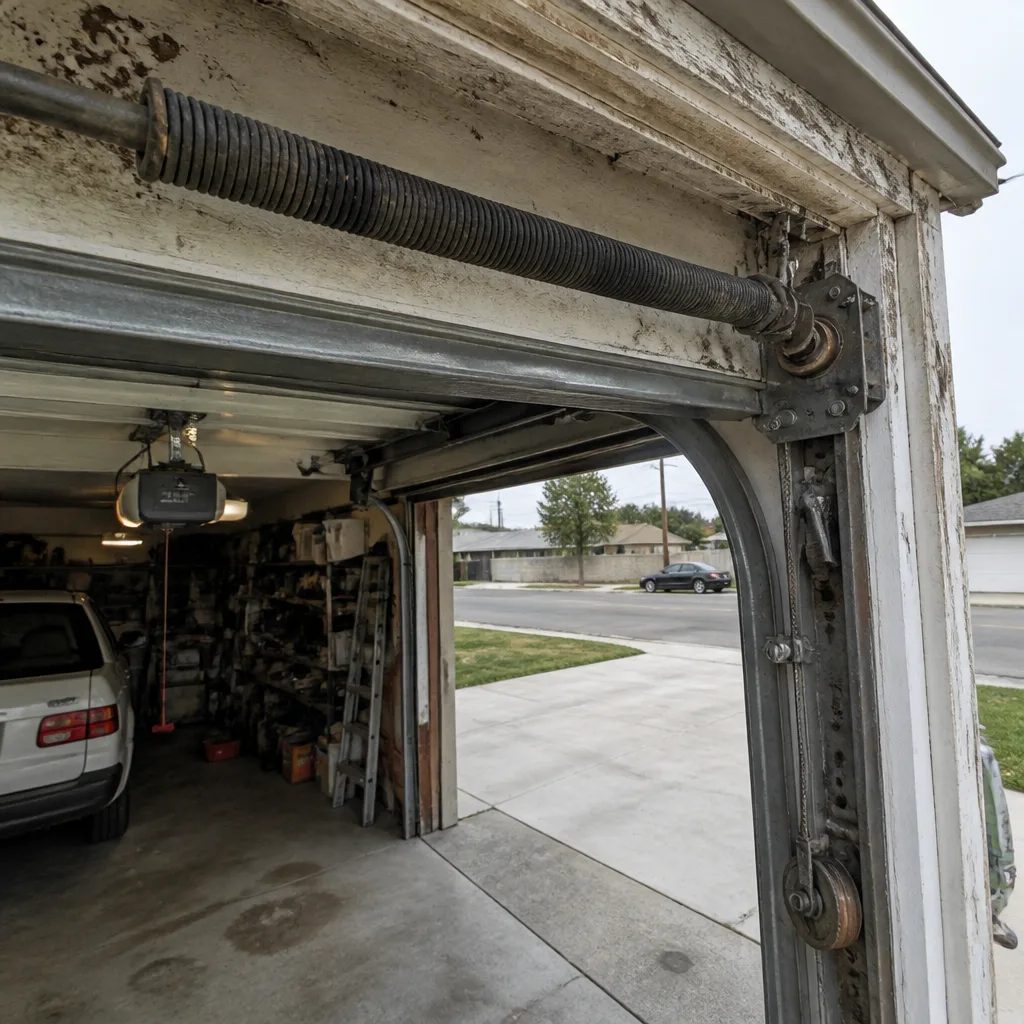 Before
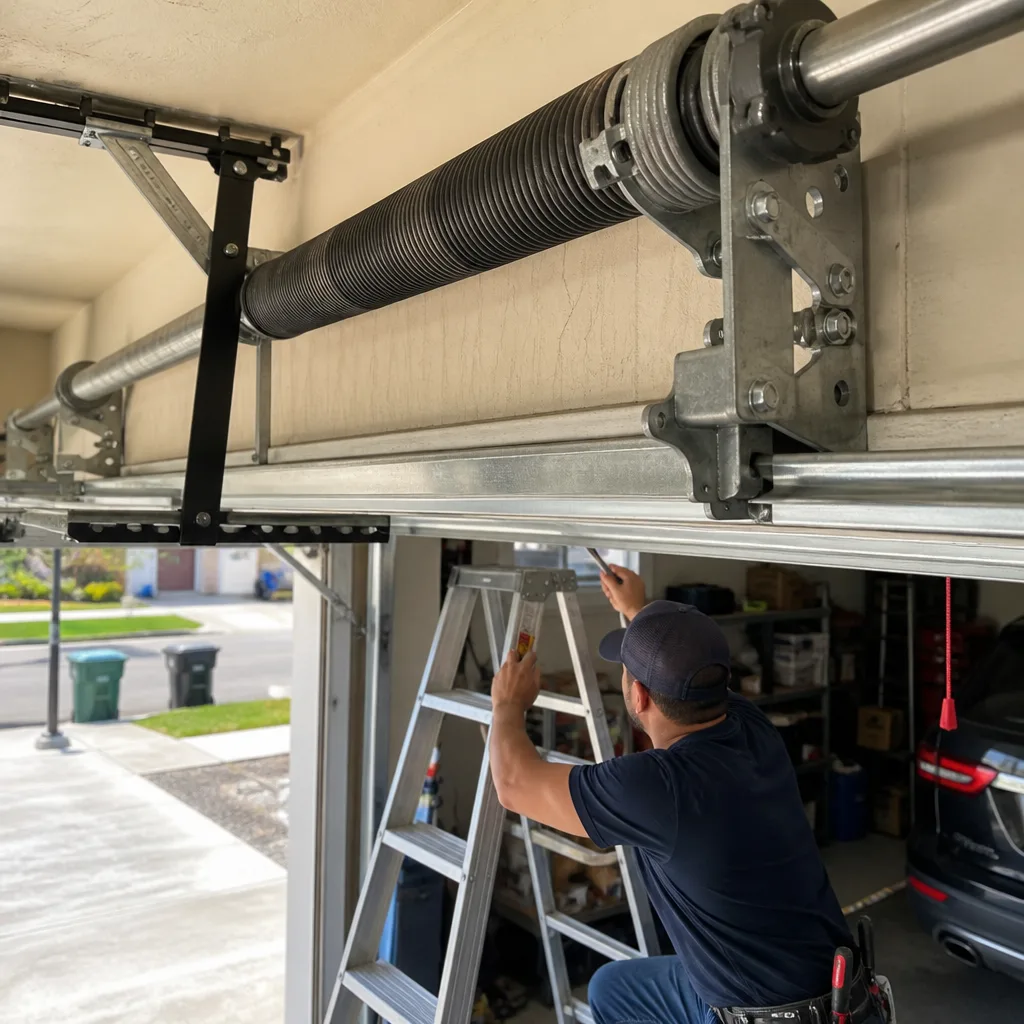 After